Compact Spinning: The Technology Behind Superior Yarn
NOVEMBER 27, 2025
In a world where fabric performance and visual perfection are non-negotiable, yarn quality has become the backbone of modern textiles. Global brands now demand cleaner surfaces, stronger yarn strength, and unparalleled consistency—pushing mills to rethink how premium yarn should be made. This is where compact spinning steps in as a true game-changer. By virtually eliminating the spinning triangle and enhancing fibre parallelisation, compact spinning fundamentally improves fibre migration and twist efficiency—producing yarns with markedly lower hairiness, higher tenacity, and superior structural integrity. Compact spinning is not merely a modification or an attachment. It is a strategic enhancement to the spinning process that fundamentally improves fiber control, twist integration, and yarn structure. By minimizing the spinning triangle—a zone that traditionally leads to
- Significant reduction in hairiness
- Stronger & more durable yarn
- Lower imperfection & better consistency
- Enhanced fabric quality
LMW, with its deep experience in spinning machinery, has engineered compact systems that combine technological precision, energy efficiency, and operational stability. These systems are designed not just to improve yarn quality but to maximize mill productivity, reduce energy consumption, and ensure consistent performance across all spindles. With compact spinning now widely recognized as a high-value solution, it has become a central investment for mills targeting export-quality yarn and premium fabric markets.
What is Compact Spinning?
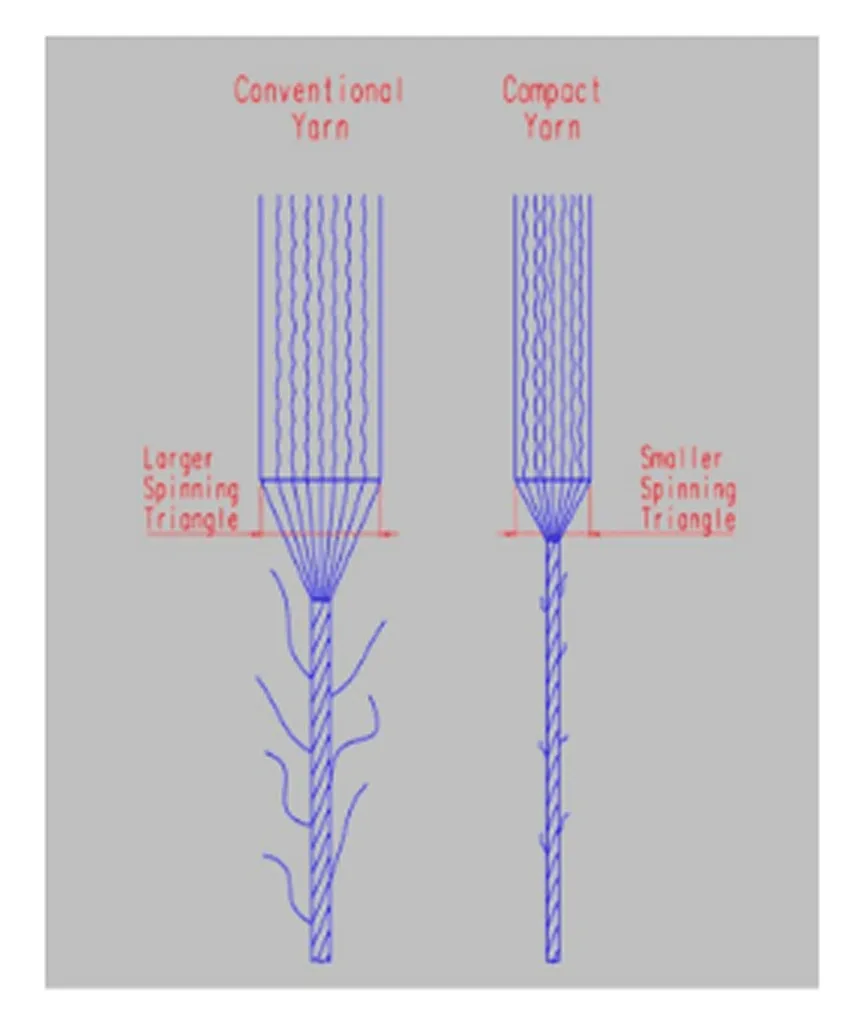
To understand compact spinning, we must first examine the limitations of traditional ring spinning. In the standard ring-spinning process, fibers emerging from the drafting system tend to spread out at the point where twist is initiated. These protruding fibers become hairiness, which later contributes to pilling, poor surface appearance, and increased lint generation. Additionally, the lack of tight fiber integration in this triangle reduces yarn strength and causes variations in yarn evenness.
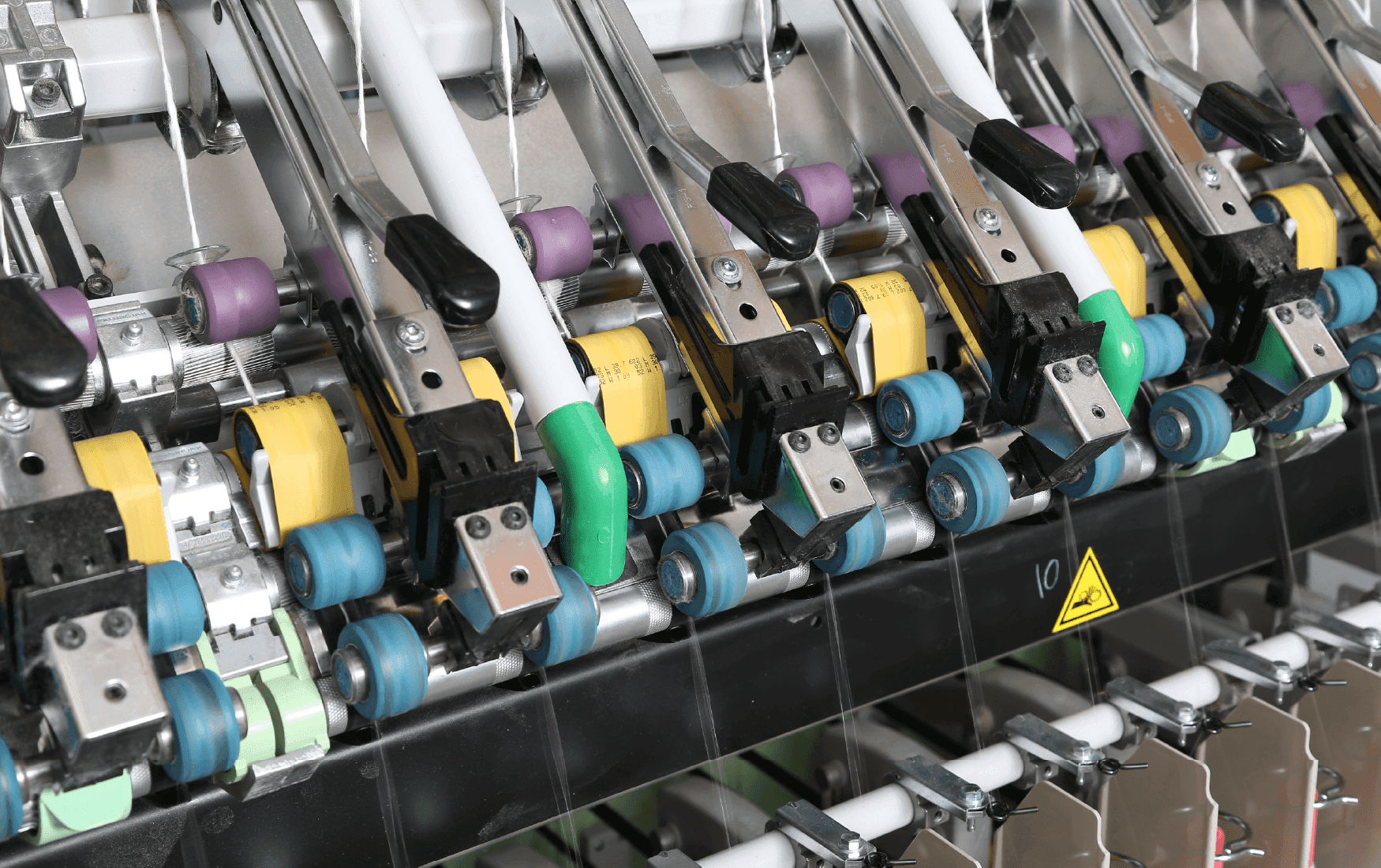
Compact spinning addresses this inherent limitation by condensing the fiber strand before twist insertion. This is achieved through a highly engineered mechanism that uses a combination of:
- Condensing zone
- Lattice apron
- Consistent vacuum airflow system
As fibers exit the drafting zone, the suction mechanism draws them into a tightly packed, parallel bundle, significantly reducing divergence. When twist is inserted, the fibers are already in an aligned, condensed state, enabling better bonding and drastically improved yarn structure. This gives compact yarn its signature benefits—strength, smoothness, and superior evenness.
Quality Benefits of Compact Spinning
The impact of compact spinning is measurable across all key yarn quality parameters. Strength improves significantly because compact yarn packs more fibers into the yarn core. This increased packing density ensures better load distribution and stronger fiber bonding. In many cases, strength increases by 10–20%, depending on fiber type and count.
Hairiness is where compact spinning truly stands out. Since the spinning triangle is nearly eliminated, there are far fewer loose fibers on the yarn surface. This leads to cleaner yarn that exhibits exceptional performance during weaving and knitting. Fabrics made from compact yarns have a smoother, more lustrous appearance and show reduced pilling over time.
Improved evenness of the yarn is another major advantage. Compact spinning stabilizes the drafting process, reducing mass variations and minimizing thick and thin places. This directly enhances yarn quality and reduces imperfections, resulting in better processability in downstream operations.
Enhanced Spinnability of Compact yarns reducing end breaks, lowering waste, and enabling high-speed operation with fewer disturbances. Mills benefit from increased efficiency, reduced labor intervention, and smoother overall production flow.
Compact Spinning with LMW: Engineered for Excellence
LMW’s compact spinning systems are designed with a focus on precision condensing, stable drafting performance, and consistent quality across all spindles. A key strength of LMW’s compact technology is its ability to ensure uniform condensing, maintaining consistent yarn parameters throughout the entire machine length.
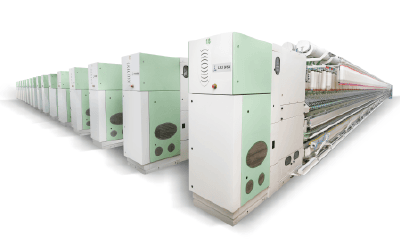

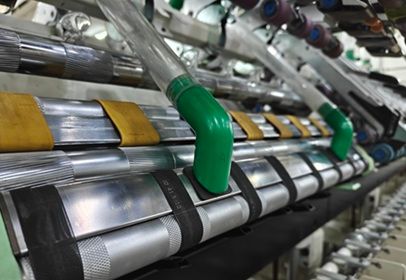
The system’s optimized airflow structure ensures ideal vacuum conditions, enhancing fiber parallelization. This results in yarns with remarkably low hairiness and excellent strength. LMW compact systems also feature an energy-efficient design that reduces suction loss and minimizes power consumption, providing mills with superior quality at lower operational cost.
Another major advantage is drafting stability, especially at high speeds. LMW Ring Frames combined with their compact systems ensure smooth running conditions, significantly reducing end breaks. This makes the system ideal for mills aiming for higher spindle productivity and lower maintenance requirements.
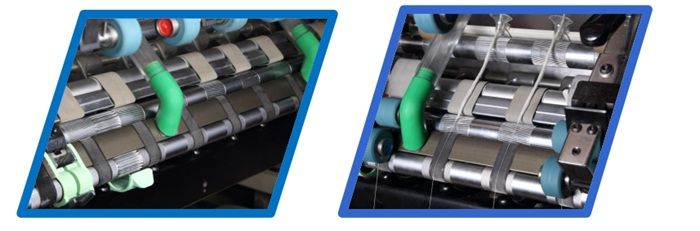
LMW compact spinning technology is equally effective with cotton, viscose, polyester-cotton blends, polyester-viscose blends, and even recycled fibers. This versatility allows mills to diversify their product portfolio while maintaining consistent, high-quality yarn output.
Conclusion: Compact Spinning - Where Technology meets Premium Quality
Compact spinning has redefined what mills can achieve in terms of yarn quality. By ensuring tighter fiber alignment, reducing hairiness, and stabilizing drafting, the technology creates yarns that meet the highest global standards. With LMW’s advanced compact spinning solutions, mills gain superior yarn quality, lower imperfections, enhanced productivity, and outstanding fabric performance—all while reducing operational costs.
In a textile world where quality determines competitiveness, compact spinning remains the definitive pathway to producing yarns that command attention, trust, and value.