From Fiber to Yarn: How Integrated Spinning Systems Maximize Profitability
AUGUST 5, 2026
Introduction
In today’s highly competitive textile industry, spinning mills are under constant pressure to improve yarn quality, reduce production costs, save energy, and maximize profitability. Traditional mill setups often depend on multiple machine suppliers, disconnected processes, and higher manual intervention leading to inefficiencies, downtime, and inconsistent output.
This is where integrated spinning systems create a major advantage.
An integrated spinning system connects every stage of yarn production from fiber opening to final yarn winding through synchronized machinery, automation, and data- driven process control. As a leading global manufacturer, LMW Limited offers complete spinning solutions designed to help mills achieve higher efficiency, better yarn realization, and stronger ROI.
What is an Integrated Spinning System?
An integrated spinning system is a complete line of machinery where every process works in harmony:
Blowroom
Carding
Draw Frame
Lap Former / Comber
Speed Frame
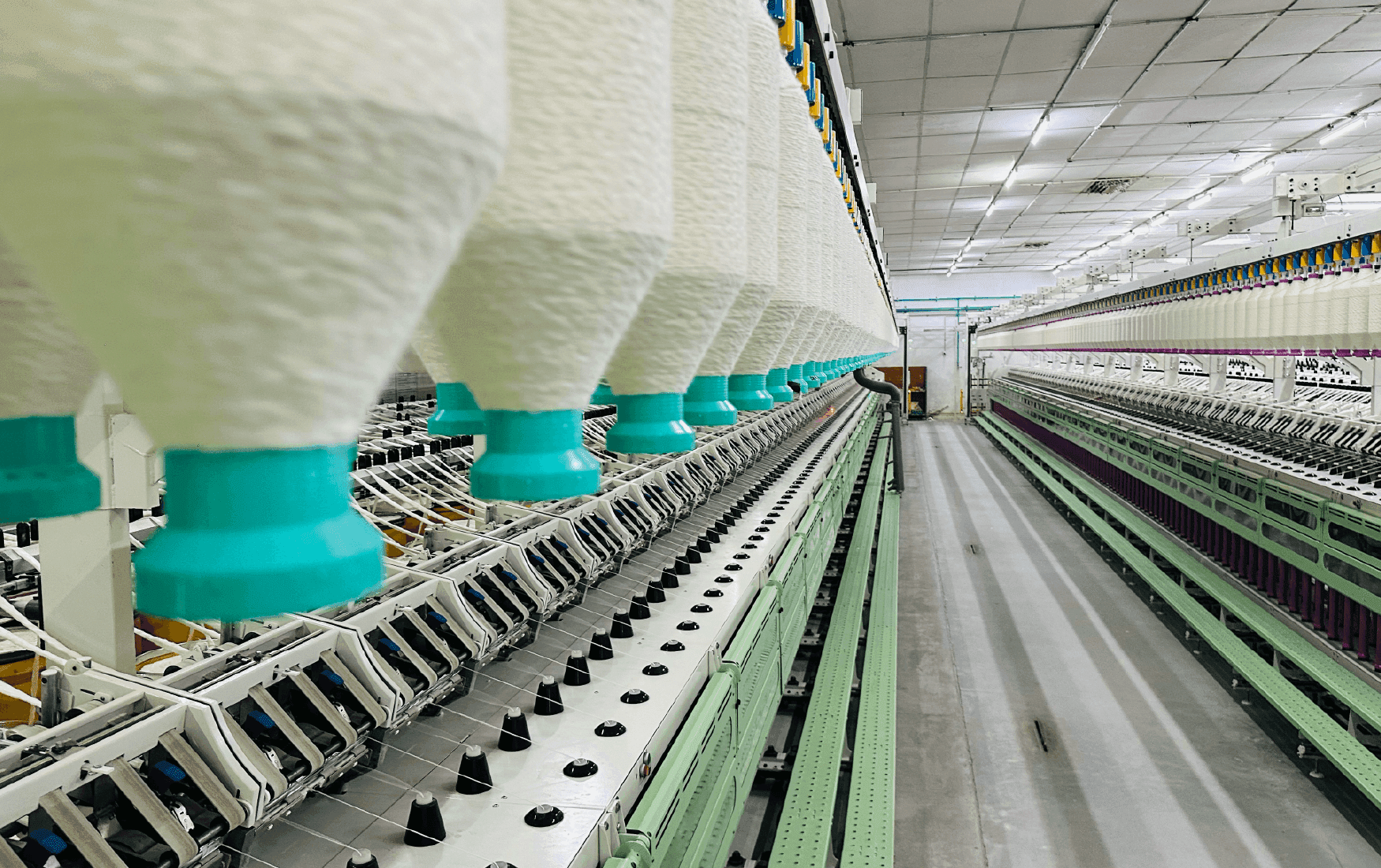
Ring Spinning / Compact Spinning
Auto Winding
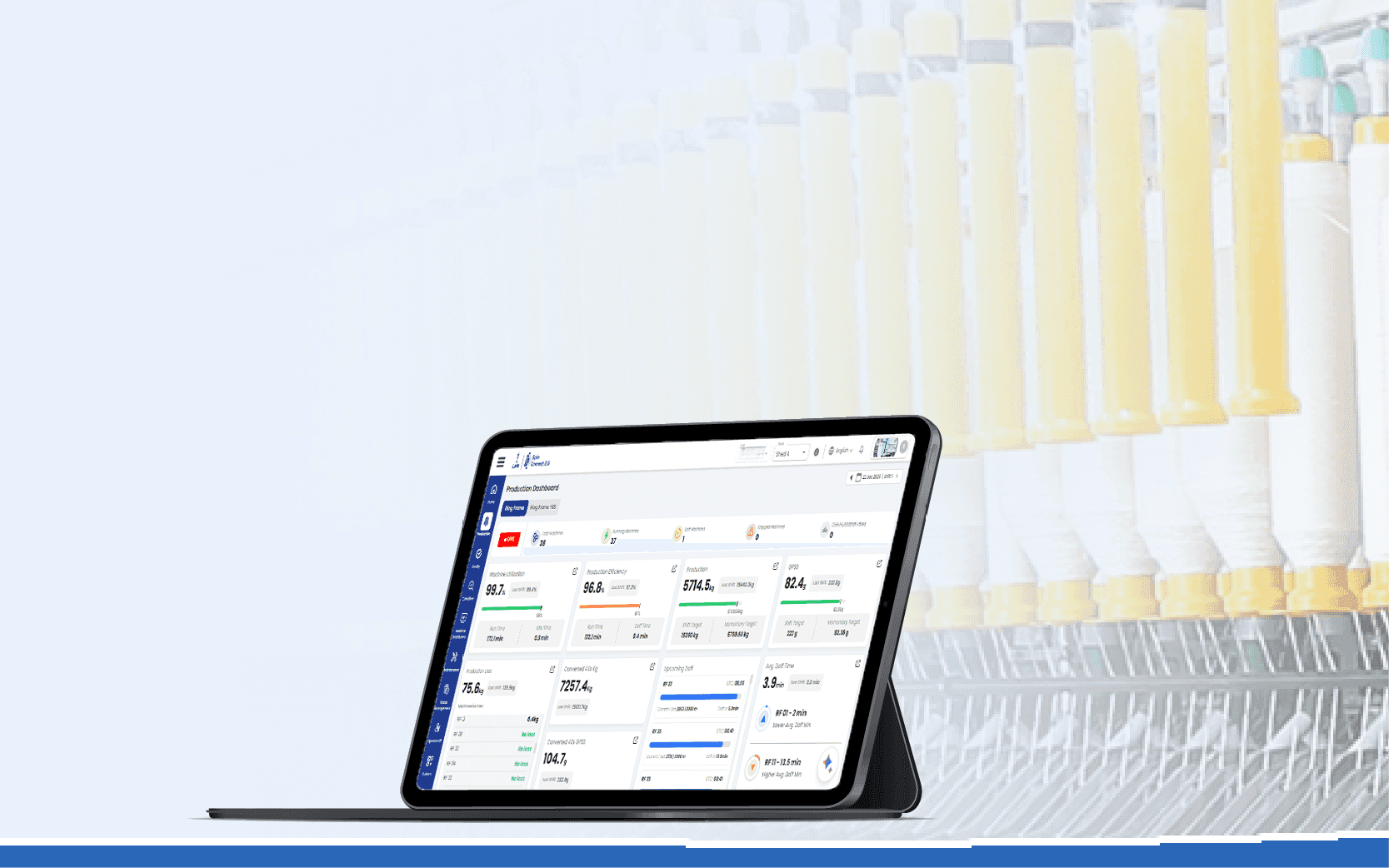
Mill Network Monitoring Systems
Why Integration Matters for Profitability
1. Higher Production Efficiency
When machines are engineered to work together, material flow becomes smoother and stoppages reduce significantly. Proper synchronization minimizes bottlenecks between departments.
Result:
Higher spindle utilization
More yarn output per day
Reduced idle machine hours
2. Better Yarn Quality = Better Selling Price
Quality yarn commands stronger market value. Integrated systems help maintain consistency in:
Evenness
Strength
Low imperfections
Better count accuracy
Cleaner yarn appearance
From card sliver quality to ring frame drafting precision, every stage impacts the final yarn package.
Result:
Premium yarn pricing
Fewer customer complaints
Better export opportunities
3. Reduced Raw Material Waste
Fiber is one of the biggest costs in spinning. Poor coordination between machines leads to waste, fly generation, hard waste, and process loss.
Integrated systems optimize:
Fiber opening
Cleaning efficiency
Controlled drafting
Better fiber utilization
Result:
Even small savings in cotton waste can significantly improve margins.
4. Lower Energy Consumption
Power cost is a major challenge for spinning mills. Modern integrated machinery uses:
Energy-efficient motors
Optimized suction systems
Smart drives
Better machine load balance
Result:
Reduced power cost per kg of yarn produced.
5. Less Dependency on Manual Labor
Labor shortages and skill gaps affect many mills. Integrated systems introduce automation for:
Material movement
Monitoring production
Auto piecing
Process alerts
Maintenance planning
Result:
Lower manpower dependency and better operational stability.
LMW’s End-to-End Integrated Advantage
LMW Limited has built a reputation as a total spinning system manufacturer with millions of installed spindles worldwide. Their solutions cover the full spinning value chain under one trusted platform.
Key LMW Smart Solutions Include:
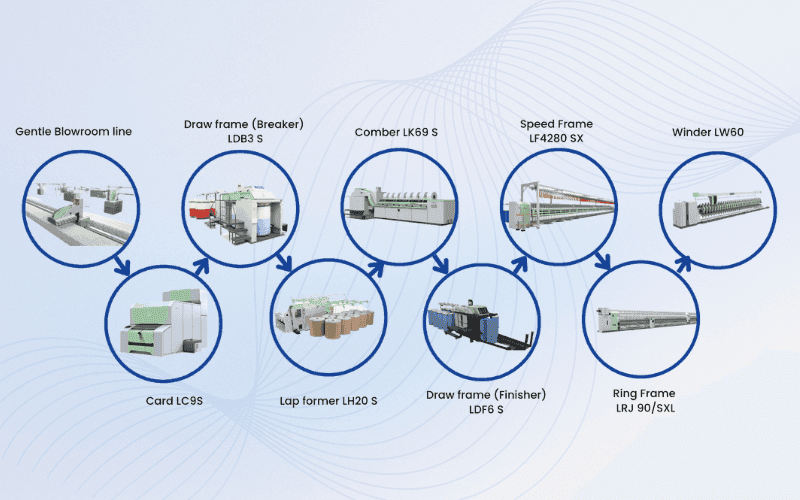
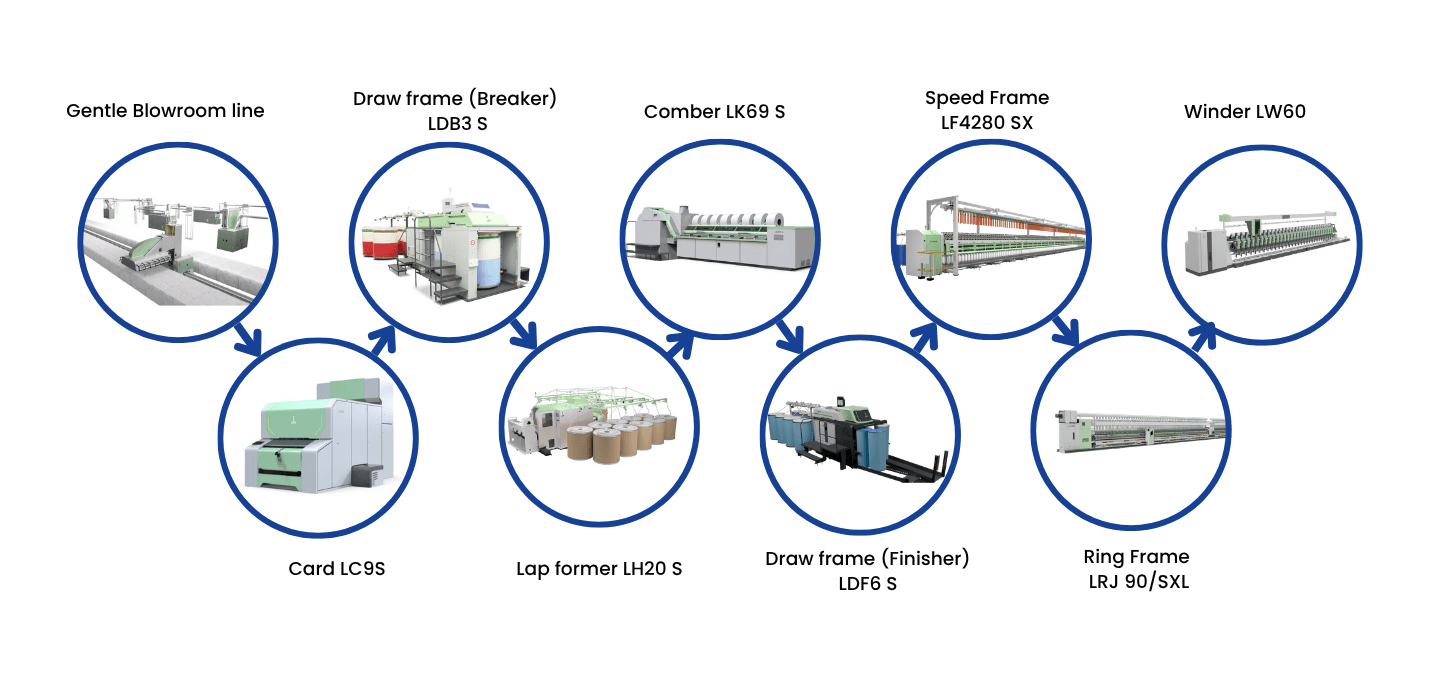
Gentle Blowroom Line
Card LC Series
Draw Frame LDB / LDF Series
Lap Former & Comber Systems
Speed Frame LF Series
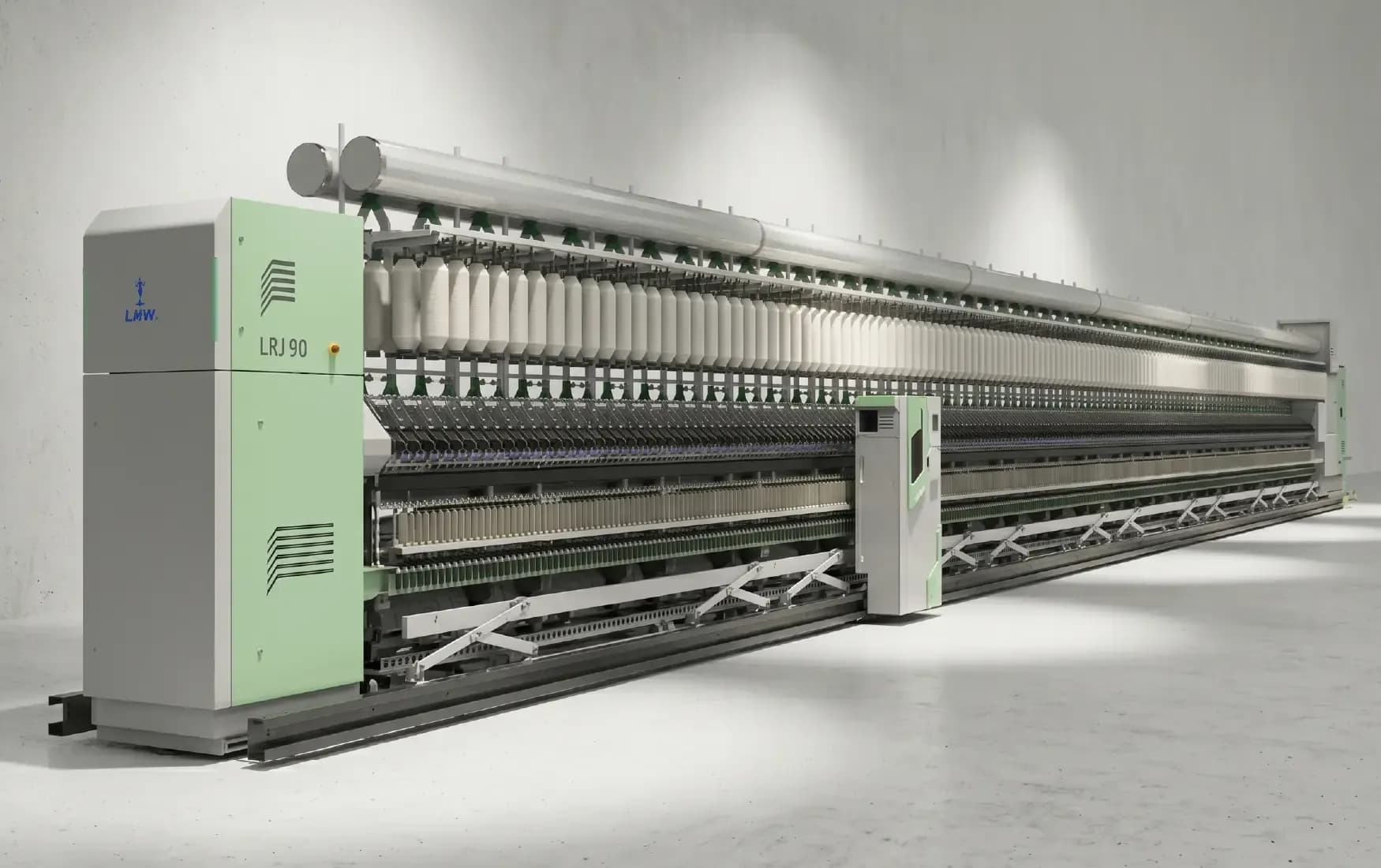
Ring Frame LR Series
Compact Spinning Solutions
Winders
SpinConnect Mill Network System
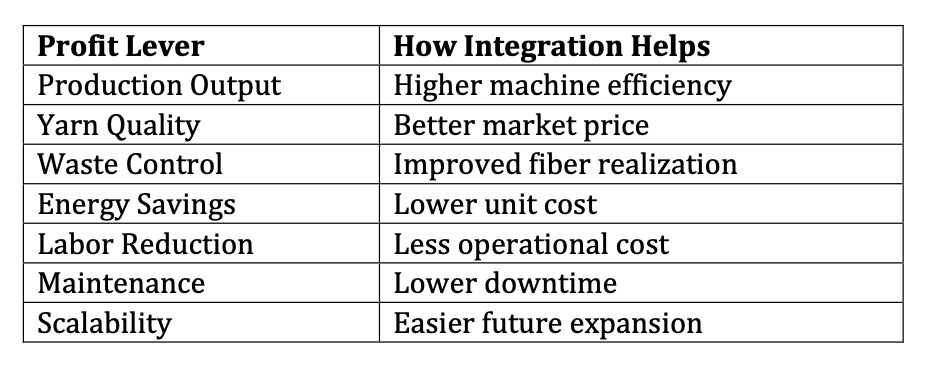
Real Profit Drivers for Mill Owners
Ideal for New Mills, Expansion and Modernization Projects
Integrated spinning systems are especially valuable for:
Greenfield spinning mill projects
Capacity expansion plans
Modernization of old machinery
Export-focused yarn mills
Compact yarn / premium yarn manufacturers
Future of Profitable Spinning Mills
The future belongs to smart mills using connected, efficient, and sustainable production systems. Mills that continue with fragmented machinery setups may face rising costs and lower competitiveness.
Integrated spinning systems give manufacturers the ability to control costs, improve yarn quality, and scale faster.
Conclusion
From fiber to yarn, every process matters. Profitability is no longer determined by one machine alone it depends on how the complete system performs together.
With integrated spinning solutions from LMW Limited, mills can unlock:
Higher productivity
Better yarn realization
Lower operating cost
Stronger ROI
Sustainable long-term growth
For spinning mills aiming to lead the future, integration is not an option it is a competitive necessity.