The Evolution of Spinning Technology: From Conventional to Smart Machines
APRIL 20, 2026
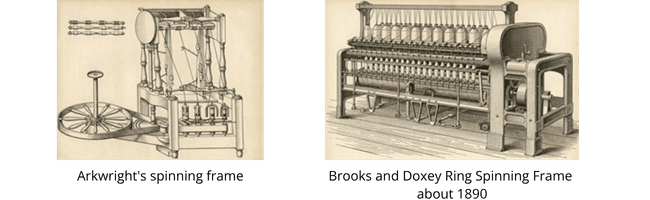
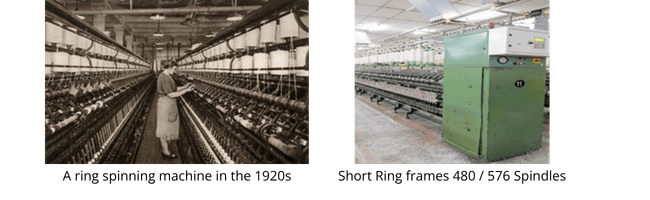
Textile machinery has evolved dramatically over the last century. From traditional, labour-intensive machines to modern, automated, and data-driven systems, spinning technology has transformed the industry. Today, smart machines are not just faster, they are more sustainable, precise, and adaptable, enabling mills to meet rising global demands for efficiency and quality.
Understanding this evolution helps mills appreciate why investing in smart machinery is no longer a luxury but a necessity.
Challenges with Conventional Machines
Traditional spinning machines, while robust, have limitations:
High manpower dependency
Limited process monitoring
Inconsistent yarn quality
High energy consumption
Difficulty handling recycled or regenerated fibres
These challenges impact productivity, sustainability, and profitability, particularly in today’s competitive textile landscape.
Emergence of Smart Spinning Machinery
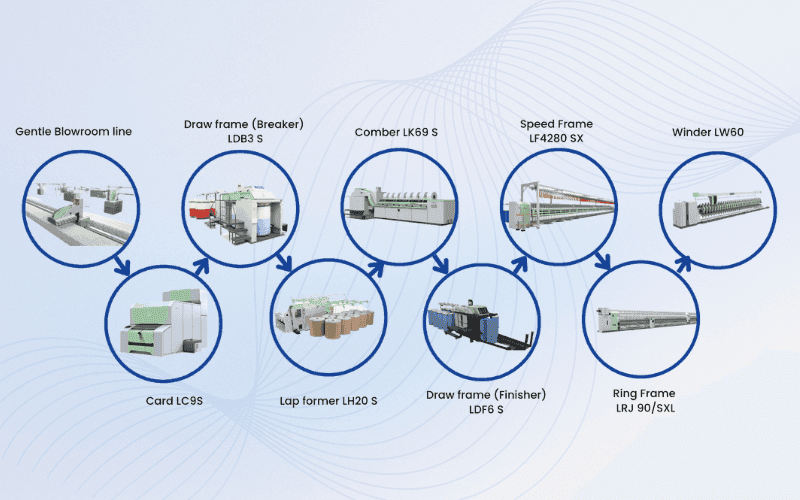
Smart spinning machines integrate automation, sensors, and data analytics to optimize every stage of yarn production:
Real-time monitoring ensures consistent quality
Intelligent process control reduces waste and downtime
Energy optimization lowers operational costs
Flexible fibre handling enables recycled and regenerated fibre processing
These features allow mills to run efficiently while meeting quality and sustainability targets.
This is one of LMW’s key steps toward Industry 4.0 in spinning mills.
Automation & Smart Manufacturing Solutions
LMW has increasingly integrated automation across machines and processes:
Integrated Automation
Auto doffing systems (package handling)
Material transport automation
Reduced manual intervention
Benefit:
Lower manpower requirement
Safer operations
Consistent productivity
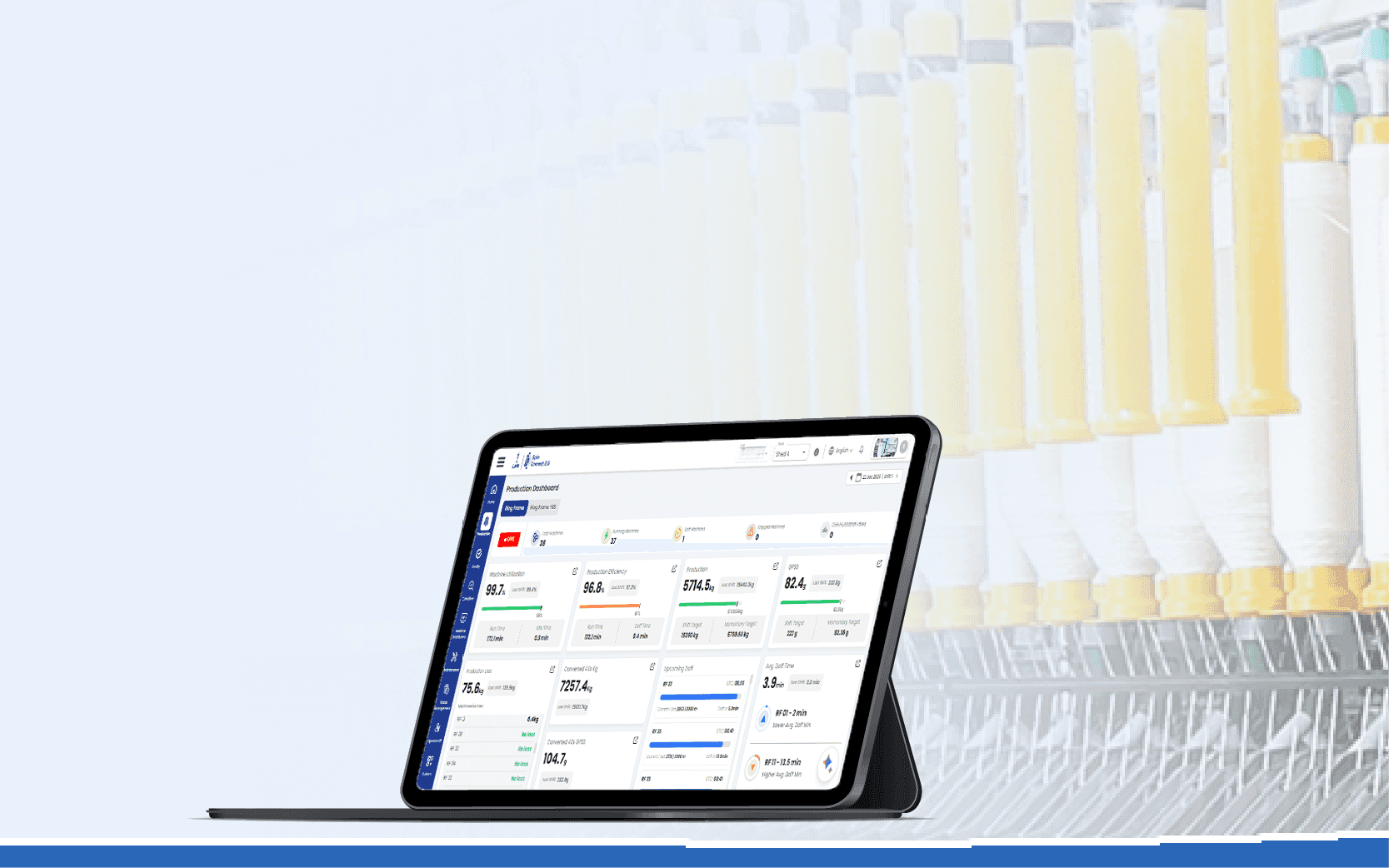
Smart Controls & Digitalization
Sensors for process monitoring
Real-time quality control
Predictive maintenance systems
Benefit:
Early fault detection
Reduced machine downtime
Better maintenance planning
Energy-Efficient Drives
Optimized motors and drives
Energy-saving designs across machines
Benefit:
Lower power consumption (major cost in spinning)
Reduced operational cost
Key Benefits to Textile Industry
Higher Productivity
Lower Cost of Production
Improved Yarn Quality
Faster ROI
Digital & Smart Mill Capability
Reliability & Lifecycle Advantage
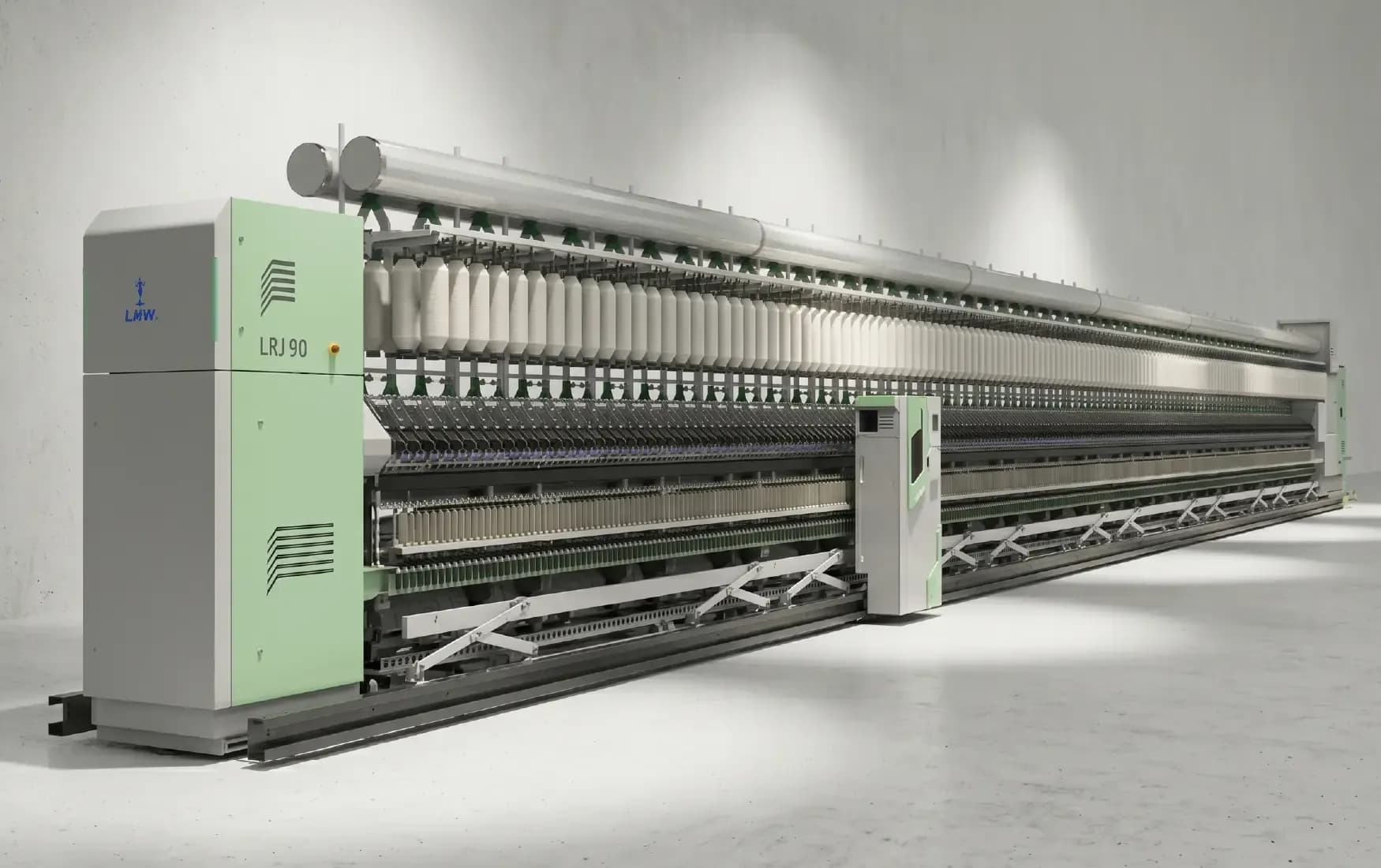
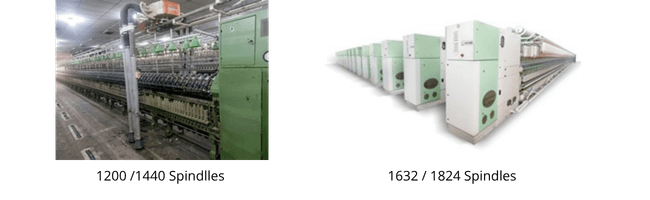
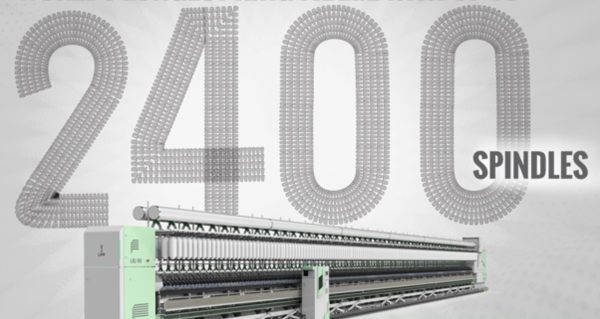
2025 - World's Longest Ring Frame
Conclusion
The evolution from conventional to smart machinery represents more than technological progress, it’s a shift toward sustainable, efficient, and future-ready spinning mills.
LMW Limited’s smart machinery solutions empower mills to produce high-quality yarn, optimize resources, and remain leaders in the global textile industry.