From Waste to Value: How LMW RESPIN is Redefining Sustainable Spinning
JANUARY 2, 2026
The global textile industry is undergoing a fundamental transformation. Sustainability is no longer a parallel initiative or a future goal it has become a core requirement driven by brands, regulators, and increasingly conscious consumers. As circularity gains momentum, spinning mills are innovating to integrate recycled fibres into their production lines while maintaining yarn quality, productivity, and cost efficiency.
Recycled fibres whether cotton waste, polyester waste, or blended textile scrap—offer immense environmental benefits. However, spinning these fibres into consistent, market-acceptable yarn is far more complex than processing virgin material. Variability in fibre length, contamination levels, and strength can significantly impact mill performance. Addressing these challenges requires more than conventional spinning systems. It demands a purpose-built approach. This is where LMW RESPIN is redefining sustainable spinning.
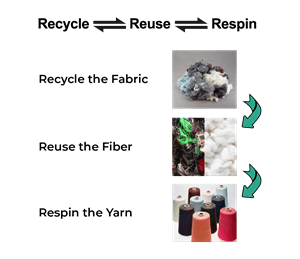
LMW RESPIN is built around a simple yet powerful philosophy Recycle, Reuse, and Respin. It reflects LMW’s commitment to helping spinning mills convert textile waste into valuable yarn while supporting the global shift towards circular manufacturing. Rather than treating recycled spinning as an add-on or compromise, LMW RESPIN approaches sustainability as a core production strategy. It focuses on improving fibre utilisation, reducing waste, and delivering consistent yarn quality enabling mills to meet sustainability goals without sacrificing operational performance.
LMW Smart Machineries: Enabling LMW RESPIN at Every Stage
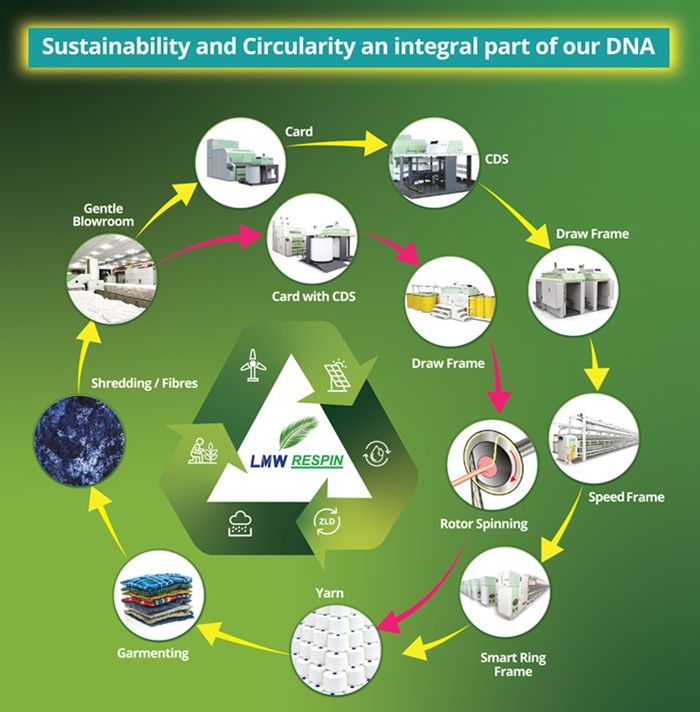
While LMW RESPIN defines the framework for sustainable spinning, its real strength lies in the LMW Smart Machineries that power it. LMW RESPIN is not a standalone concept—it is executed through intelligently engineered machines that bring stability, control, and repeatability to recycled fibre processing.
Recycled fibres demand far greater process discipline than virgin materials. Variations in fibre length, cleanliness, and strength must be managed consistently across opening, cleaning, blending, and drafting. LMW Smart Machineries are designed precisely for this purpose—ensuring uniform fibre flow, reduced process variation, and stable machine operation throughout the spinning line.
By combining smart automation, optimized machine design, and process intelligence, LMW enables mills to process recycled fibres reliably and at scale. This integration ensures that sustainability is not dependent on fibre choice alone, but on how intelligently fibres are handled across the mill.
Gentle Blowroom
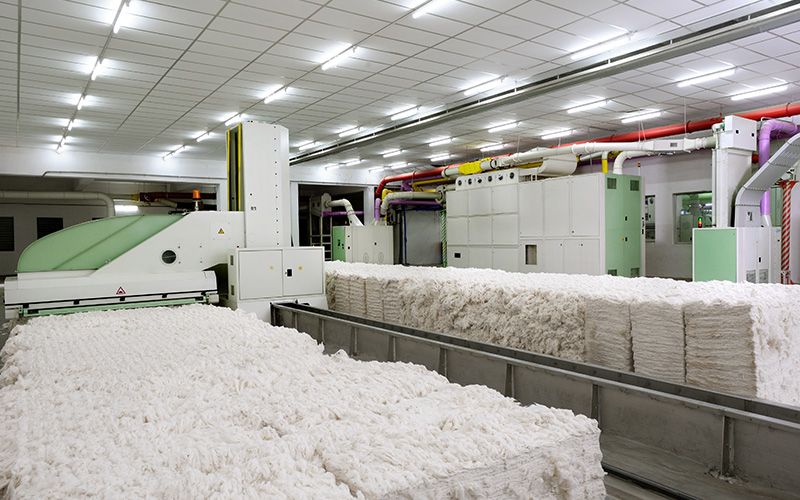
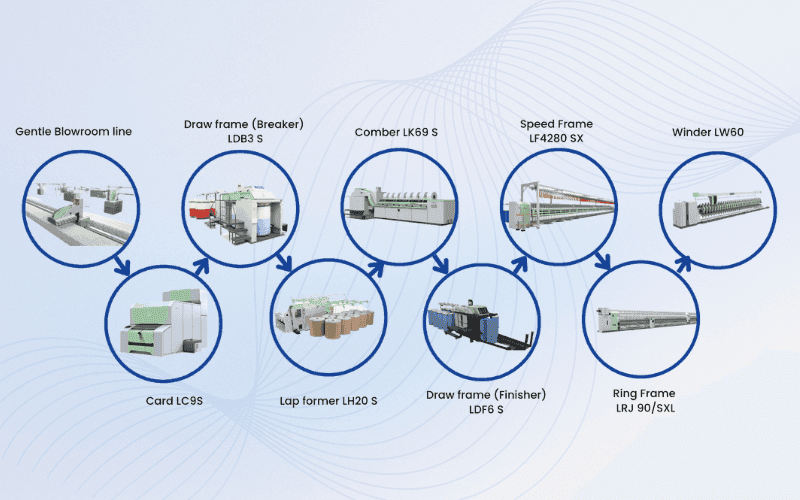
The Blowroom process begins by opening the material into very fine tufts, preparing it for further cleaning and processing. Cleaning eliminates most impurities, such as seed particles and debris, ensuring cleaner fibers. The regenerated spinning process begins with efficient waste opening and blending. LMW’s bale pluckers, swift floc openers, mixing bale openers, and mixers ensure gentle fibre opening while removing impurities and micro-dust. This controlled approach prevents excessive fibre damage and ensures homogeneous mixing, which is essential when processing recycled materials. Uniform material flow at this stage forms a strong foundation for downstream operations and directly influences yarn quality and machine efficiency.
Card
Once the fibres are opened and cleaned, carding becomes the most critical stage in regenerated fibre processing. The LMW Card LC 363 is engineered to handle regenerated fibre mixes by providing a large active carding area and controlled waste extraction. Its stable feeding system and precise carding action help in effective fibre individualization, resulting in uniform sliver formation even when processing short or variable fibres. This consistency reduces yarn irregularities and supports stable spinning performance in subsequent stages.
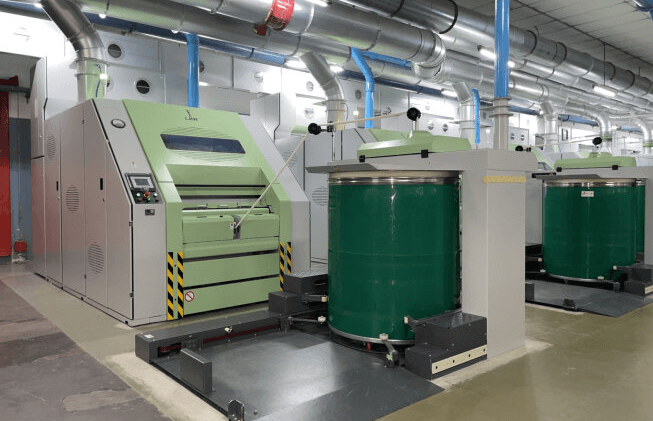
For mills focusing on Open-End or Air-Jet spinning, LMW offers the Card with Drafting System (CDS), which integrates drafting directly with carding. This process simplification reduces the number of machines required while maintaining sliver quality. The servo-controlled drafting system ensures consistent sliver output, making CDS particularly suitable for regenerated fibre applications where space, energy efficiency, and process stability are critical considerations.
Draw Frame
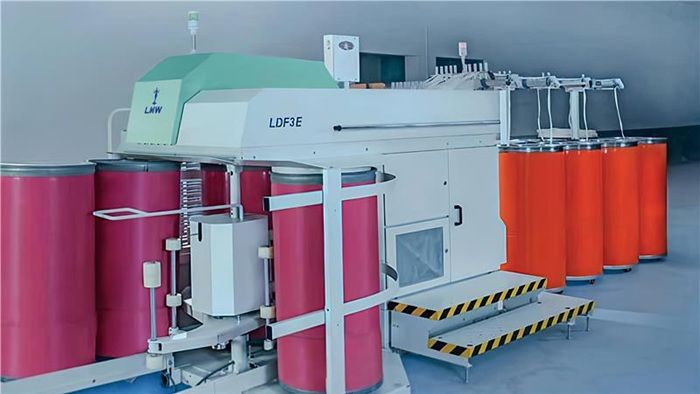
Sliver consistency is further enhanced at the draw frame stage. The LMW Auto Leveller Draw Frame LDF3 Series uses advanced duo-digital auto levelling technology to correct mass variations in real time. This ensures uniform sliver delivery across long production runs, which is especially important when handling regenerated fibre blends. The Draw Frame helps mills achieve consistent yarn strength, appearance, and performance in both OE and Ring Spinning.
Energy-Efficient Technology Helps OE Mills Improve Margins
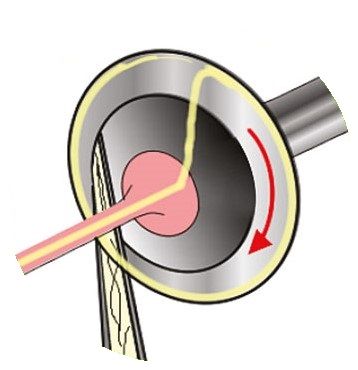
Energy is one of the highest cost components in OE spinning — especially for mills running high-speed rotors with large numbers of machines.
LMW smart technology are engineered to reduce:
- Power consumption
- Airflow losses
- Waste generation
- Sliver handling inefficiencies
From large-scale recycled fibre processors to mills specializing in cotton, blends, or regeneration, LMW has a strong footprint in the OE segment.
The reasons include:
- Reliable technology that works across fibre types
- Consistent yarn parameters
- Better yarn uniformity and strength
- Lower ends down rates
- Reduced process waste
Speed Frame
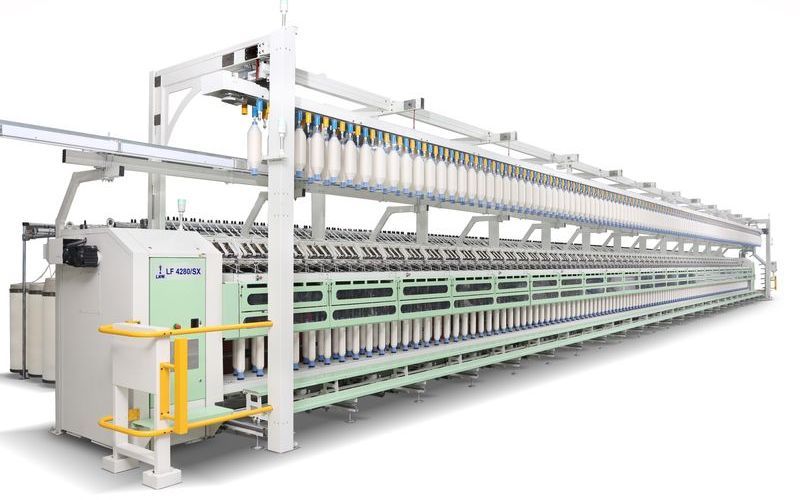
The LMW Speed Frame LF4280 Series is designed to process regenerated fibre mixes with consistent roving tension and reliable performance. Features such as automatic doffing, stable drafting systems, and effective suction contribute to smooth operation and improved productivity, even when working with short staple regenerated fibres.
Ring Frame
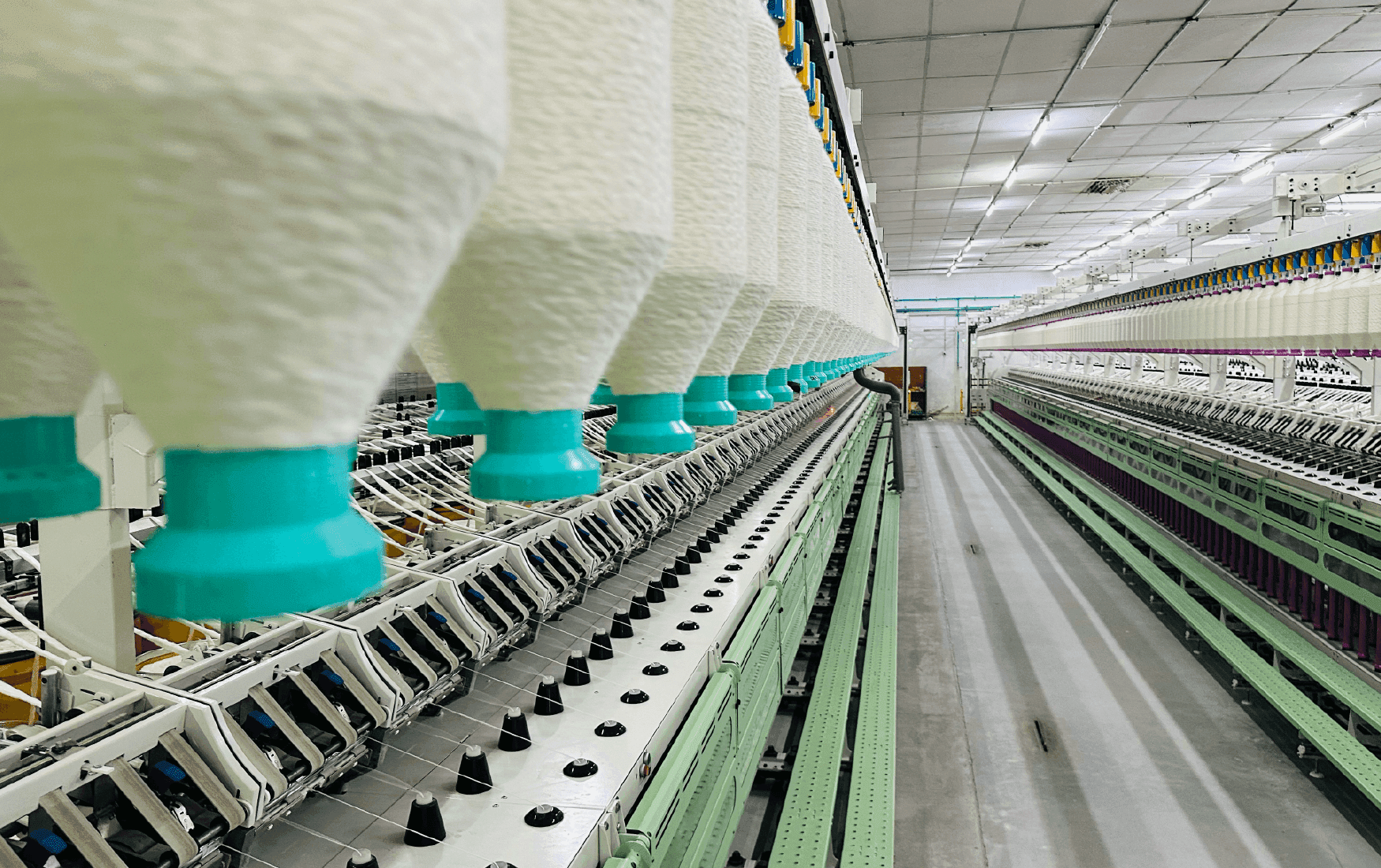
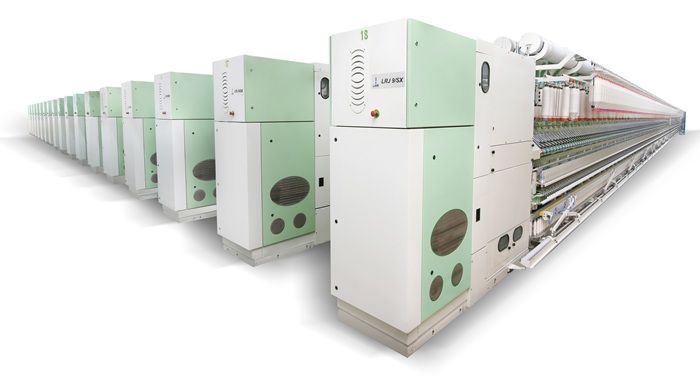
At the spinning stage, LMW offers Smart Ring Frames and Smart Compact Ring Frames that enable mills to produce value-added regenerated yarns. These machines are capable of handling regenerated blends while delivering consistent yarn quality, improved strength, and better appearance. Compact spinning options further enhance yarn performance, allowing mills to cater to premium sustainable textile segments without sacrificing efficiency or reliability.
The Reality of Recycled Fibre Processing
Unlike virgin fibres, recycled fibres come with inherent inconsistencies. They often include a mix of short and long fibres, variable cleanliness, and uneven strength profiles. When processed through traditional systems, these variations can lead to higher waste levels, increased yarn imperfections, unstable machine running, and reduced productivity.
For spinning mills, this creates a dilemma. While market demand for recycled yarns is rising, operational risks often discourage large-scale adoption. The real challenge lies in achieving stability, consistency, and scalability in recycled fibre spinning—without compromising business performance.
LMW RESPIN: Designed for the Realities of Sustainable Spinning
LMW RESPIN has been developed specifically to address the challenges of recycled fibre processing. Instead of adapting conventional systems, it takes a holistic view of sustainable spinning—starting from fibre preparation.
At the core of LMW RESPIN is intelligent fibre handling. The system focuses on optimised opening, efficient cleaning, accurate blending, and stable drafting to manage fibre variability effectively. By ensuring uniform fibre flow and improved sliver consistency, LMW RESPIN creates a strong foundation for downstream spinning.
This preparation-led approach is critical. In recycled spinning, yarn quality is largely determined before the fibre even reaches the spinning frame. LMW RESPIN ensures fibres are treated gently yet precisely—minimising additional fibre damage while maximising usable yield.
Reducing Waste and Improving Fibre Utilisation
One of the most tangible benefits of LMW RESPIN is its ability to reduce waste and improve fibre utilisation. Recycled fibres represent valuable resources, and inefficient processing leads to unnecessary material loss.
By optimising fibre opening and cleaning, LMW RESPIN helps mills lower waste levels and convert a higher percentage of recycled input into saleable yarn. This not only reduces environmental impact but also improves cost efficiency—turning waste into value in the truest sense.
Consistency Without Compromise
A common concern associated with recycled yarns is inconsistency—both in yarn quality and production stability. LMW RESPIN directly addresses this challenge.
Through controlled blending, stable drafting, and consistent fibre preparation—enabled by LMW Smart Machineries delivers improved sliver uniformity and predictable yarn structure. Mills benefit from smoother machine operation, reduced imperfections, and consistent yarn performance in downstream processes such as weaving, knitting, dyeing, and finishing.
This level of consistency is essential for mills supplying to brands and global markets, where quality expectations for recycled yarns continue to rise. With LMW RESPIN, sustainability does not come at the cost of reliability.
Supporting the Circular Textile Economy
LMW RESPIN plays a vital role in enabling the circular textile economy. By allowing mills to efficiently process post-industrial and post-consumer textile waste, it supports the transition away from linear “take-make-dispose” models.
This capability aligns closely with global sustainability frameworks and brand-led initiatives focused on recycled content and responsible sourcing. Mills adopting LMW RESPIN are better positioned to meet certification requirements, traceability expectations, and long-term sustainability goals—strengthening their role within responsible textile value chains.
Building Long-Term Sustainability Credibility
Beyond technology, LMW RESPIN helps mills build long-term sustainability credibility. Consistent recycled yarn production, supported by stable and intelligent machinery, enables mills to confidently meet evolving brand expectations, sustainability audits, and sourcing standards.
As transparency and accountability become increasingly important in the textile industry, mills equipped with LMW RESPIN gain a competitive edge—demonstrating their ability to deliver responsible production without compromising quality or performance.
Conclusion: Sustainable Spinning, Powered by Intelligence
The future of spinning lies in solutions that balance environmental responsibility with operational excellence. Recycled fibres are no longer optional—they are becoming central to the textile industry’s evolution. However, sustainability at scale is only possible when supported by stable, intelligent, and reliable machinery.
LMW RESPIN redefines sustainable spinning by addressing recycled fibre challenges at their root—through intelligent fibre preparation, waste reduction, and consistency-driven processing. This vision is brought to life through LMW Smart Machineries, which ensure process stability, productivity, and repeatable quality across every stage of spinning.
Together, LMW RESPIN and LMW Smart Machineries empower mills to transform waste into value without compromise. By enabling scalable recycled yarn production, improving fibre utilisation, and delivering consistent quality, LMW is helping spinning mills actively participate in the circular textile economy—while remaining competitive, efficient, and future-ready.
Sustainable spinning is no longer about trade-offs. With LMW RESPIN, powered by smart machinery, it becomes a practical, profitable, and long-term reality—one yarn at a time.