LMW’s Energy-Efficient Textile Machinery: A Step Toward Greener Manufacturing
MARCH 30, 2026
Energy consumption is one of the largest operational costs for spinning mills. Beyond costs, energy-intensive processes are a significant contributor to the textile industry’s environmental footprint. With growing regulatory pressures, rising electricity rates, and global emphasis on sustainability, energy efficiency is no longer optional, it’s a strategic necessity.
Modern spinning mills need machinery that delivers high productivity with minimal energy use. This is where smart, energy-efficient textile machinery makes a tangible difference, driving both operational savings and environmental responsibility.
Why Energy Efficiency Matters in Spinning Mills
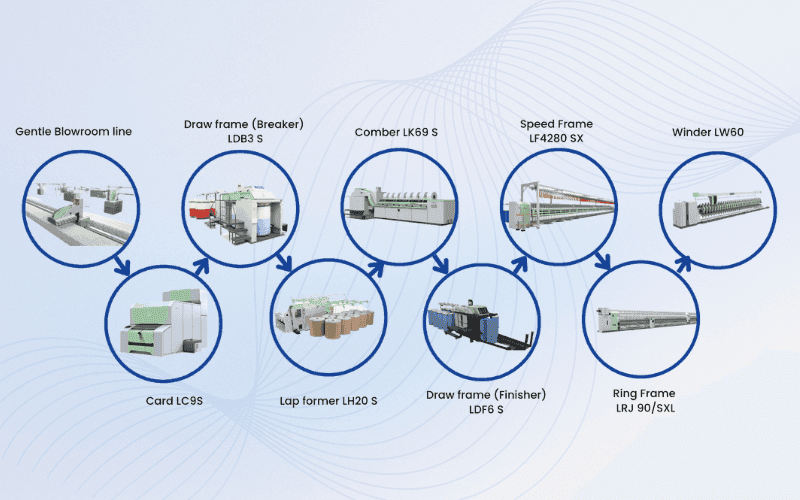
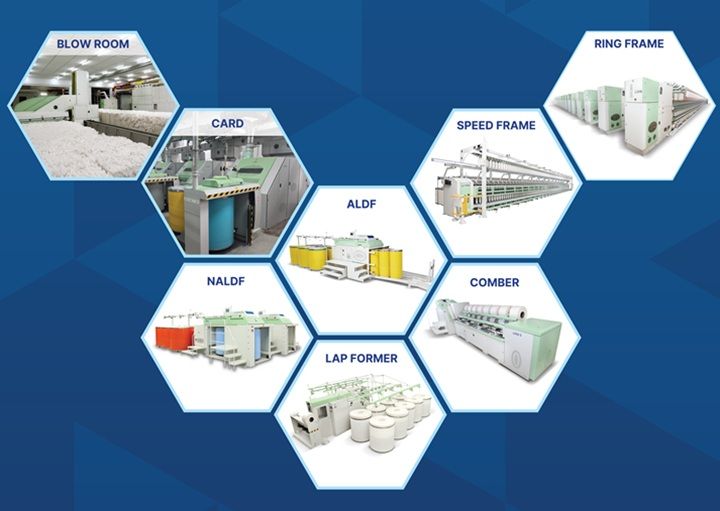
The spinning process is inherently energy intensive. Machines involved in opening, cleaning, carding, drafting, roving, spinning, and winding operate continuously 24x7x365. Each machine stage requires motors, drives, suction systems, and auxiliary components that draw significant amounts of electricity. In many mills, energy costs account for a substantial portion of the overall production expense.
Traditional machinery, especially older installations, often lacks advanced monitoring systems or energy-optimization mechanisms. As a result, machines may operate at higher power levels than required, leading to unnecessary energy consumption. Inefficient drives, excessive friction in mechanical components, and poorly optimized suction systems can further increase energy usage.
This creates several challenges for spinning mills:
- Higher production costs: Excessive energy consumption directly increases the cost of producing yarn, reducing profit margins.
- Increased carbon emissions: High electricity usage contributes to greater greenhouse gas emissions, particularly in regions dependent on fossil-fuel-based power generation.
- Inefficient resource utilization: Energy losses during production reduce overall operational efficiency.
- Reduced competitiveness: Mills with outdated equipment may struggle to compete with facilities using modern, energy-efficient machinery.
In contrast, energy-efficient machines are designed to maximize output while minimizing energy input. By optimizing motor performance, reducing mechanical losses, and using intelligent control systems, modern textile machinery significantly lowers energy consumption per kilogram of yarn produced.
LMW Smart Machinery: Driving Energy Efficiency
For spinning mills seeking long-term sustainability and profitability, energy efficiency is no longer merely a technical upgrade, it has become a strategic investment. LMW Limited has engineered machinery that balances performance and energy savings.
Advanced Motor and Drive Systems
LMW machines are equipped with advanced motor and drive technologies designed to reduce energy consumption while maintaining high production speeds. Efficient power transmission and optimized motor performance ensure that machines operate with minimal energy losses.
These systems allow spinning mills to achieve high productivity without compromising energy efficiency or yarn quality. By using modern drive technology, power usage can be precisely controlled based on machine load and production requirements.
Intelligent Automation and Process Control
Automation is another key element of LMW’s energy-efficient machinery. Intelligent control systems monitor machine performance continuously and adjust operating parameters automatically. This ensures that machines operate only when necessary and at the most efficient levels.
Automation not only reduces energy waste but also improves operational reliability. Consistent machine performance leads to better yarn quality and fewer production interruptions.
Optimized Machine Design
LMW places strong emphasis on mechanical optimization in machine design. Components are engineered to minimize friction and vibration, which reduces the energy required for operation. Precision engineering also ensures smoother material flow and improved machine stability.
By lowering mechanical resistance within the system, these design improvements significantly reduce the power required to run the machines while maintaining high output levels.
Data-Driven Monitoring and Diagnostics
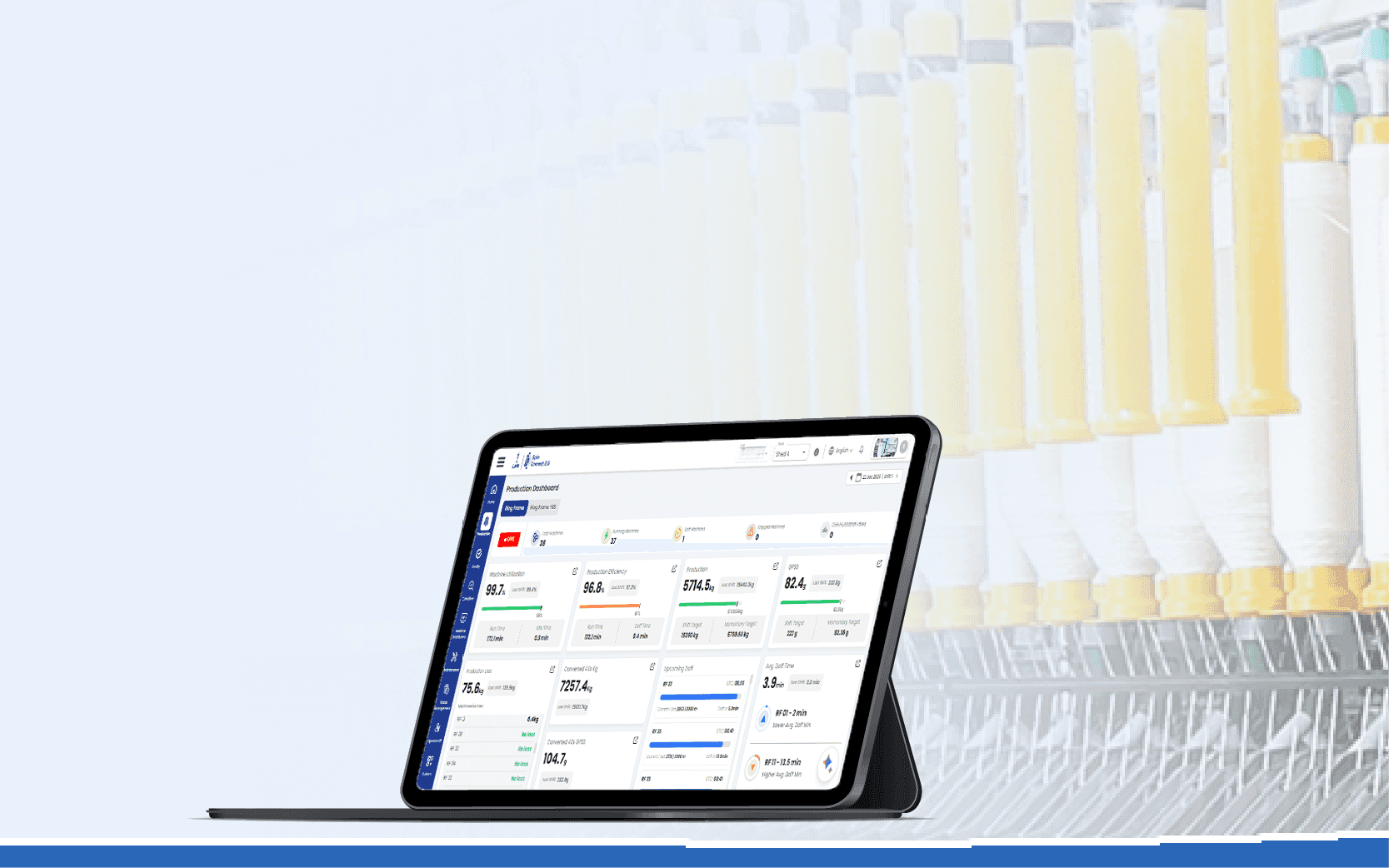
Modern LMW machines incorporate digital monitoring systems that provide valuable operational insights. These systems allow operators to track machine performance, detect inefficiencies, and identify areas where energy consumption can be reduced.
Real-time monitoring enables faster decision-making and proactive maintenance, ensuring that machines operate at optimal efficiency throughout their lifecycle.
These innovations enable mills to achieve measurable reductions in energy use while maintaining consistent yarn quality.
Benefits Beyond Energy Savings
While reduced electricity consumption is the most immediate benefit of energy-efficient machinery, the advantages extend far beyond,
- Sustainable manufacturing credentials
- Compliance with global environmental standards
- Brand partnerships focused on sustainability
- Lower carbon footprint per kg of yarn
Conclusion
Energy efficiency is a win-win: lower operational costs as well as lower environmental footprint. Spinning mills that embrace smart, energy-conscious machinery can position themselves as leaders in sustainable textile manufacturing.
LMW Limited’s smart machinery delivers both efficiency and sustainability, helping mills produce high-quality yarn while minimizing energy impact.