From Waste to Wealth: How LMW RESPIN is Powering the Future of Regenerated Fibre Processing
FEBRUARY 27, 2026
The global textile industry is undergoing one of its most important transformations in decades is shifting from a traditional linear production model (“take-make-dispose”) toward a circular, sustainability-oriented system. Central to this shift is the rise of regenerated fibre processing, where textile waste and other recycled materials are turned back into usable fibers and high-quality yarn.
Why Sustainability in Textiles Matters
The textile industry has long been associated with huge environmental costs such as high water consumption, enormous energy usage, and considerable waste ending up in landfills each year. Switching to regenerated fibres and circular processes helps tackle these problems by:
- Reducing water consumption by up to 86 % compared with virgin fibres.
- Lowering energy use by roughly 70 % and CO₂ emissions by 75 % when recycling textiles.
- Minimizing landfill waste by repurposing textile scraps, PET bottles, and post-consumer clothing.
- Supporting eco-conscious brands and consumer demand for sustainable fashion.
By processing regenerated fibres into new yarn, textile manufacturers can cut environmental impact and align with global sustainability goals.
What Is Regenerated Fibre Processing?
Regenerated fibre processing is the conversion of waste or discarded textiles (including fabric cuttings, hosiery waste, recycled polyester, PET bottles, and post-consumer materials) into reusable fibres that can be spun into high-quality yarn.
This process involves:
- Sorting & Classification: Separating waste materials to match the requirements of the final product.
- Opening & Cleaning: impurities and preparing fibres for blending.
- Blending & Mixing: combining fibres for uniform quality.
- Carding & Drafting: fibres and preparing them for spinning.
- Spinning: processed fibres into yarn for fabric and garment production.
This approach transforms what would be waste into valuable raw material, bolstering circularity and reducing dependence on virgin resources.
The Role of LMW’s Smart Machinery
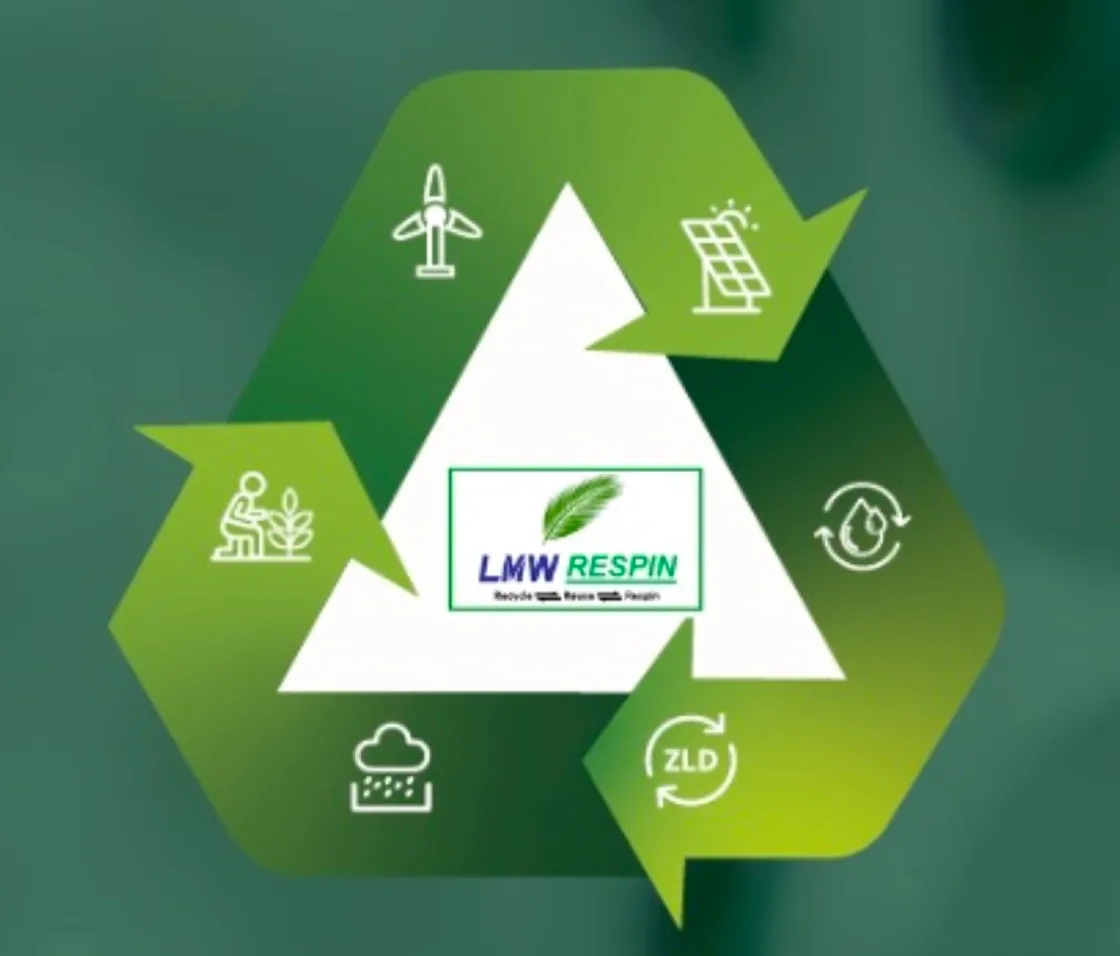
LMW LIMITED has been a pioneer in integrating sustainability into textile machinery for decades. Its Smart Series machines are designed not only for high performance but also for eco-efficient and circular production. Here’s how LMW’s Smart Machinery supports this sustainability journey:
1. Engineered for Regenerated Fibre Processing
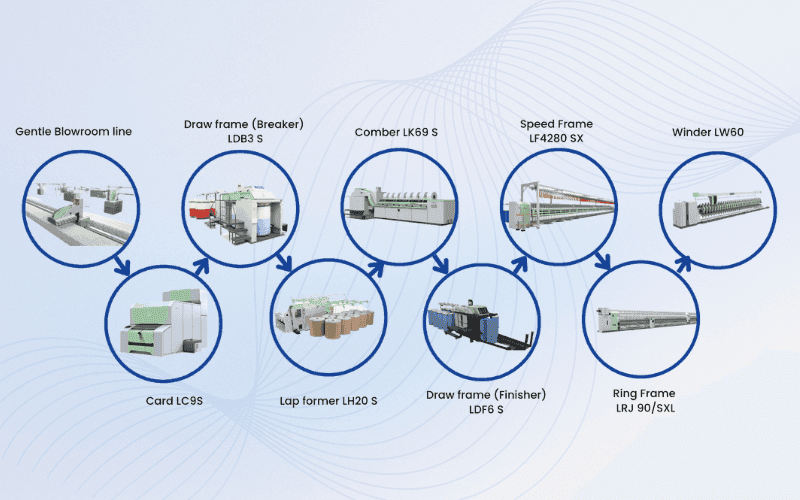
LMW’s Smart Series machines, including the Gentle Blowroom line, Auto Blend systems, advanced cards, draw frames, speed frame and ring frame are engineered specifically to handle recycled and regenerated fibres with consistent quality, high throughput, and minimal waste.
2. Energy-Efficient & Resource-Saving
LMW’s Smart solutions integrate energy-saving drives and motors, minimize power consumption throughout the production line, and help reduce greenhouse gas emissions.
These machines also enhance space and manpower efficiency, further reducing resource use in spinning mills.
3. Automation & Smart Control
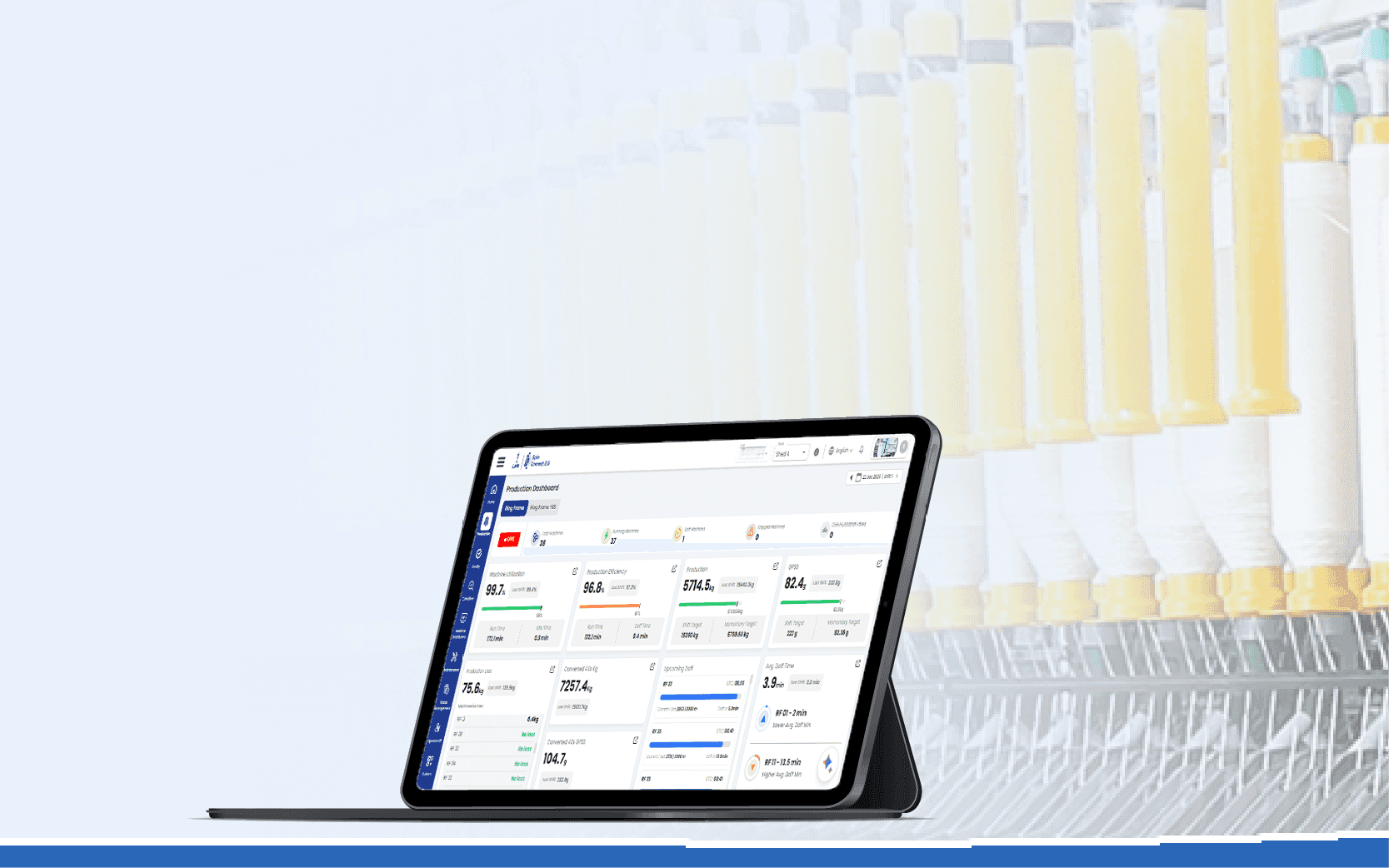
Through real-time monitoring and automation, LMW’s Smart Series enables:
- Better process control
- Lower downtime
- Reduced reliance on manual labor
- Optimized production quality and throughput
This automation directly supports sustainable operations - less waste, more consistent quality, and improved efficiency across the board.
4. Compatibility with Circular Economy Goals
LMW’s Smart Machinery aligns with circular textile practices by supporting the entire value chain from recycled fibre intake to yarn output. By enabling mills to produce recycled yarn efficiently, LMW contributes to reducing industry waste and encouraging broader adoption of eco-friendly production.
The Game Changer – LMW RESPIN
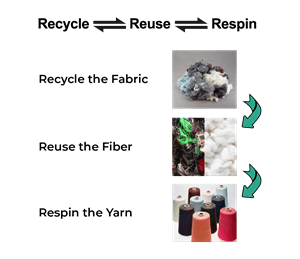
LMW RESPIN is built around a simple, yet powerful philosophy Recycle, Reuse, and Respin. It reflects LMW’s commitment to helping spinning mills convert the regenerated fibres into valuable yarn while supporting the global shift towards circular manufacturing.
Real-World Impact
Across the globe, textile producers using LMW Smart solutions are transforming sustainability visions into reality. Mills adopting LMW technology see higher productivity and improved ROI, demonstrating that sustainability and profitability can go hand in hand.
Conclusion: A Smarter, Greener Textile Future
Sustainability in textiles isn’t just a trend - it’s a necessity. Regenerated fibre processing plays a pivotal role in reducing the environmental footprint of fashion and textile manufacturing. And with LMW LIMITED’s Smart Machinery, mills have access to technology that supports this transformation effectively, efficiently, and responsibly. By championing circularity and integrating smart, energy-efficient solutions, LMW is not only advancing textile production - it’s helping build a greener future for the industry and the planet.