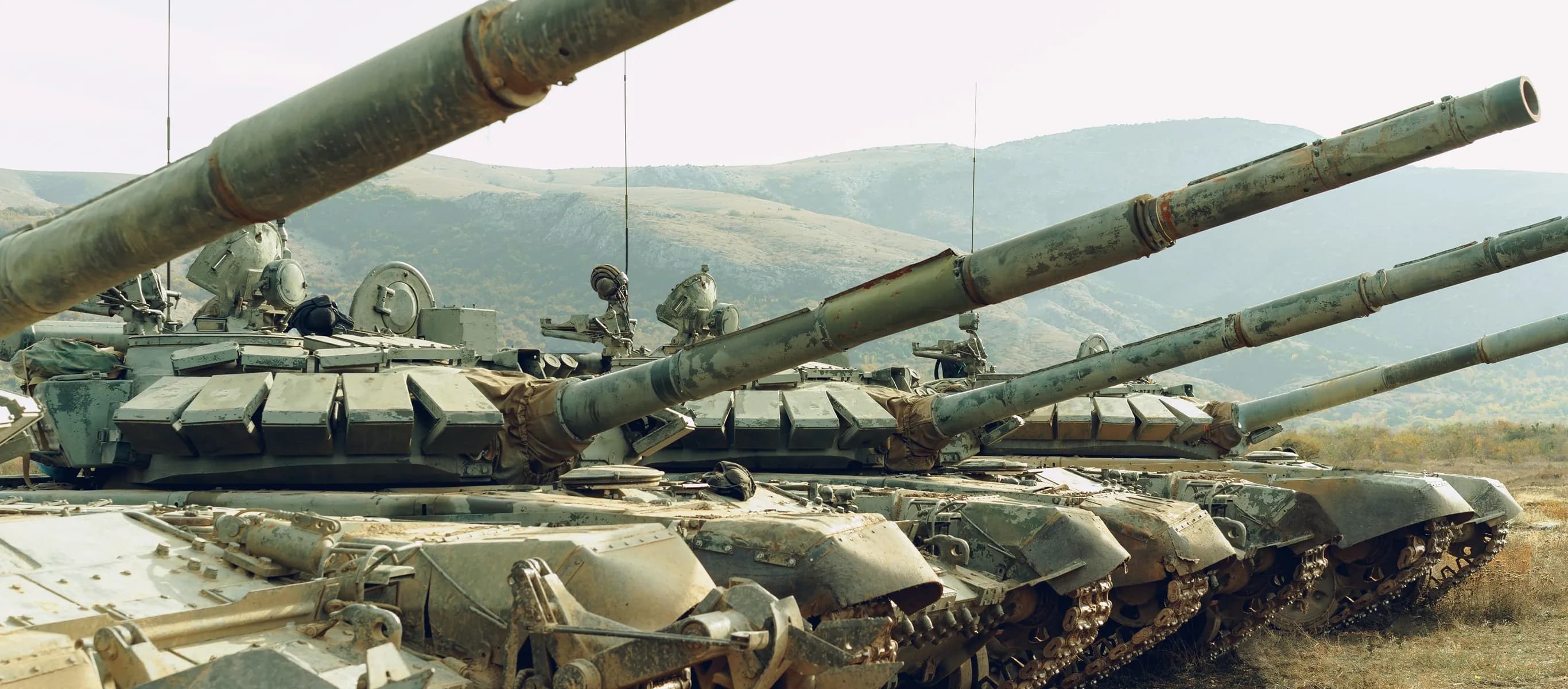
Defence Industry
The defence industry requires components that deliver reliable performance under demanding operating conditions. With increasing focus on indigenous manufacturing and modernization of defence equipment, the need for accurate and consistent machining has grown. CNC machining plays a key role in producing parts that meet quality, durability, and traceability requirements.
Defence Industry
The defence industry requires components that deliver reliable performance under demanding operating conditions. With increasing focus on indigenous manufacturing and modernization of defence equipment, the need for accurate and consistent machining has grown. CNC machining plays a key role in producing parts that meet quality, durability, and traceability requirements.
Defence Industry
The defence industry requires components that deliver reliable performance under demanding operating conditions. With increasing focus on indigenous manufacturing and modernization of defence equipment, the need for accurate and consistent machining has grown. CNC machining plays a key role in producing parts that meet quality, durability, and traceability requirements.
Industry Landscapeย
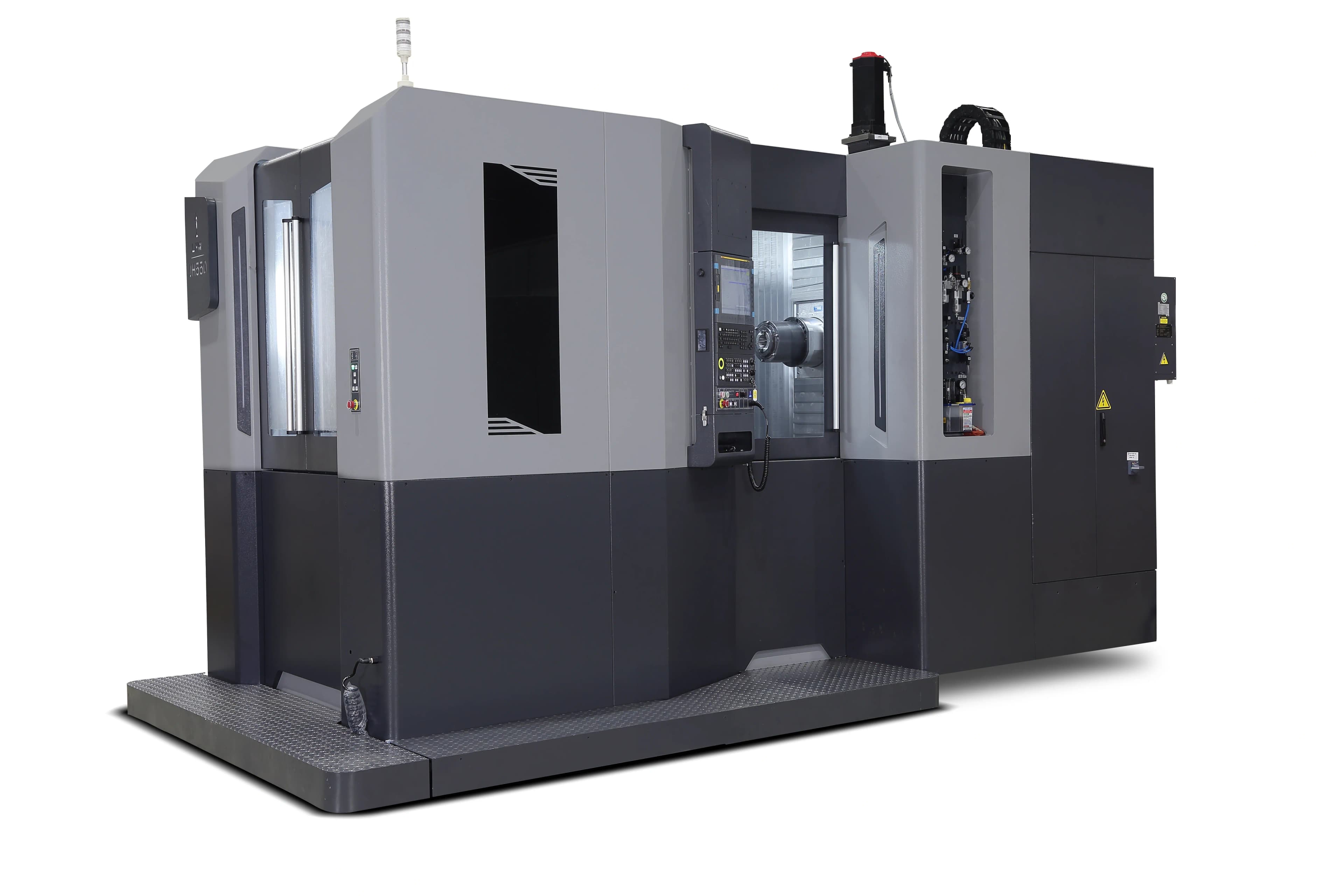
Many defence components require machining on multiple sides, making horizontal machining centers (HMCs) an important part of defence production. Defence manufacturing typically involves:
Machining of structurally significant parts that demand rigid machine platforms and stable performance under heavy cutting conditions.
Multi-side machining operations enabled through efficient work holding and reduced setups, supporting improved productivity and alignment accuracy.
Flexible machining platforms that maintain consistent accuracy across varying batch sizes and project-based production.
Controlled machining processes that support dimensional stability and structural integrity for demanding operational environments.
Stable process control and documented production parameters that support traceable and standards-compliant manufacturing.


Key Components & Sub-Assemblies
These parts are commonly produced from alloy steels, stainless steels, aluminium alloys, and special-purpose materials. LMW CNC machines support machining of:

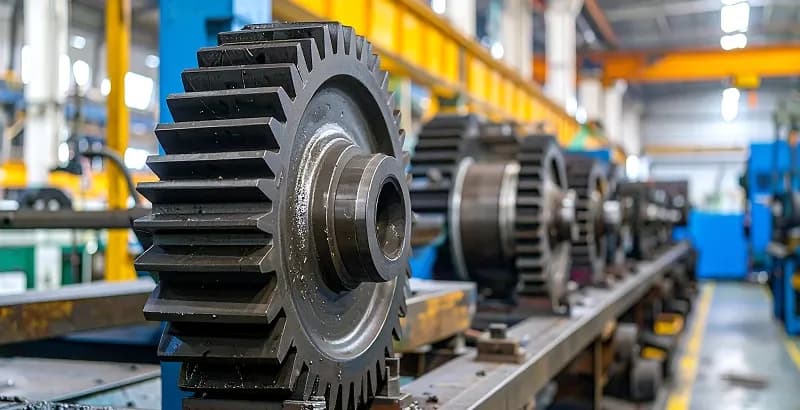
Gear housings

Transmission and axle components

Structural brackets and mounts

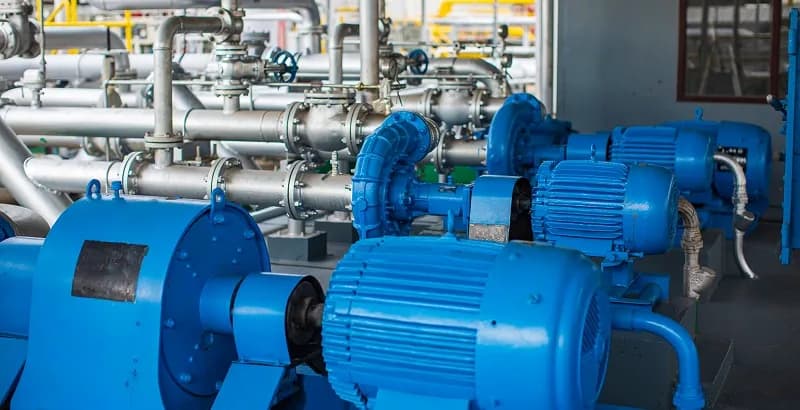
Pump and valve bodies

Shafts and couplings

Heavy flanges and housings
Challenges
Defence manufacturers typically face:
Components often need machining on four or five sides, increasing setup time on conventional machines.
Parts require machines with high rigidity and load-handling capacity.
Repeatable accuracy is critical even when batch sizes are small.
Stable machining processes are essential to meet defence audit and approval requirements.

How LMW Supports Defence Manufacturing

LMW offers solutions aligned with defence manufacturing needs:

1. Suitable for multi-face machining in fewer setups 2. Better chip evacuation for deep and heavy cuts 3. 4th axis machining capabilities
Machines are built to handle heavy-duty cutting and long machining cycles.
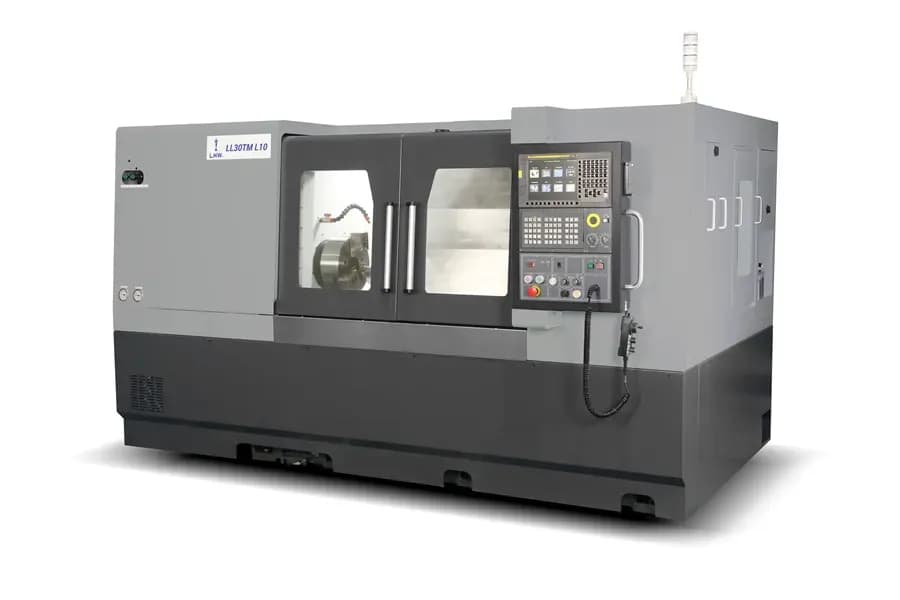
Turning, milling, turnmill, and HMC platforms support a wide range of defence components.
Support for tooling, fixturing, and process planning to improve accuracy and productivity.
Future Outlook
With continued investment in defence manufacturing and self-reliance initiatives, demand for complex, multi-face machining will increase. LMW remains focused on strengthening its HMC and CNC capabilities to support evolving defence requirements.
Other Industries

Aerospace

Agri & Earthmovers

Automobile

Bearing & Fitting

Aerospace

Agri & Earthmovers

Automobile

Bearing & Fitting