Die & Mould Industry
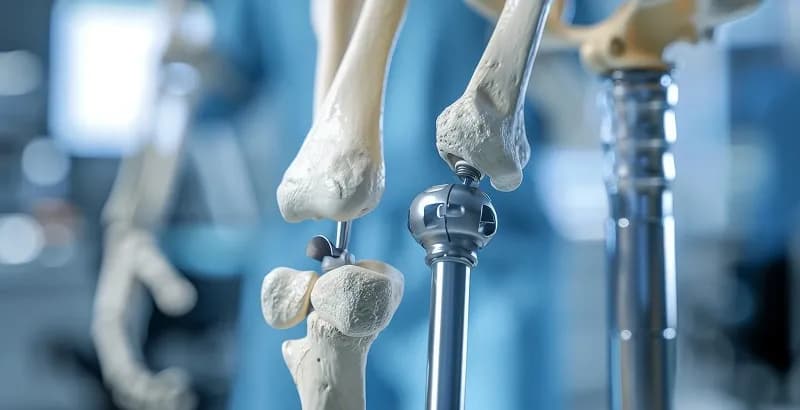
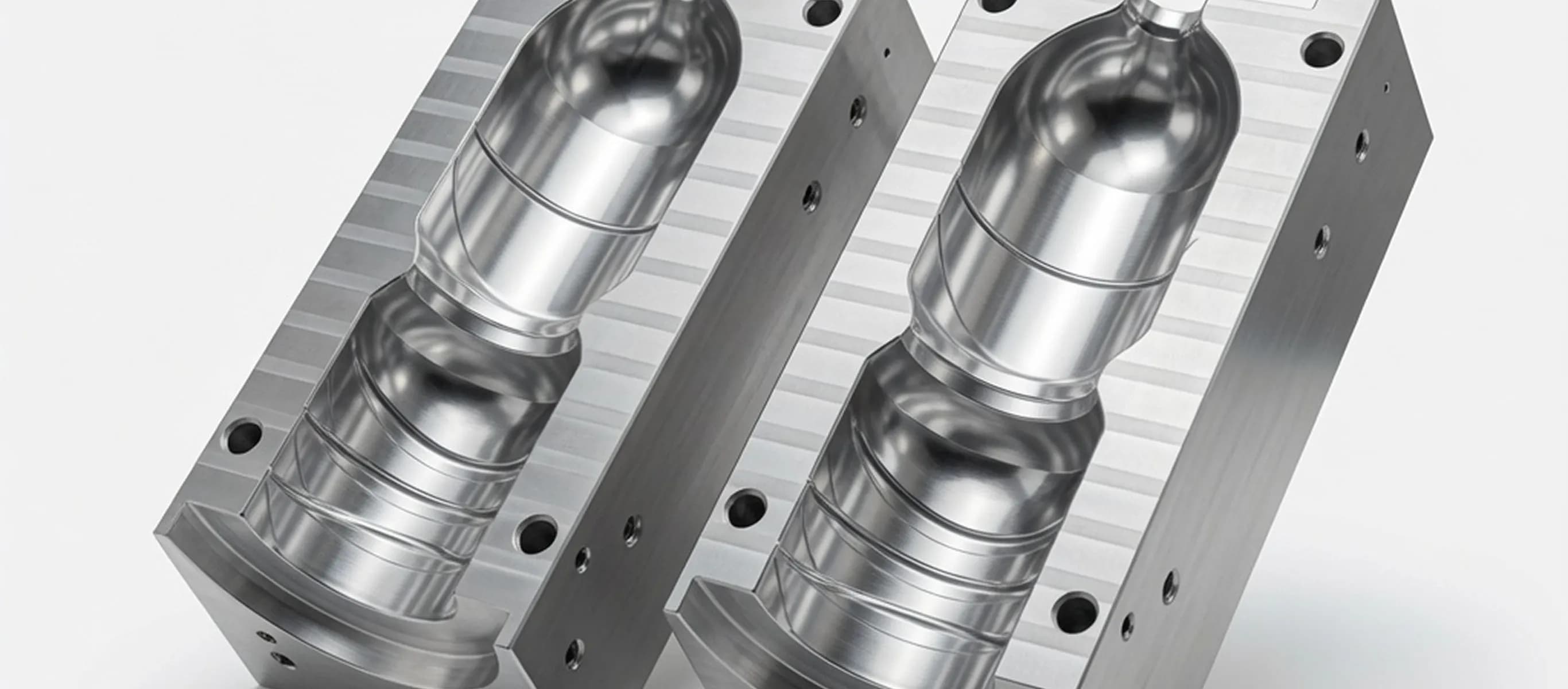
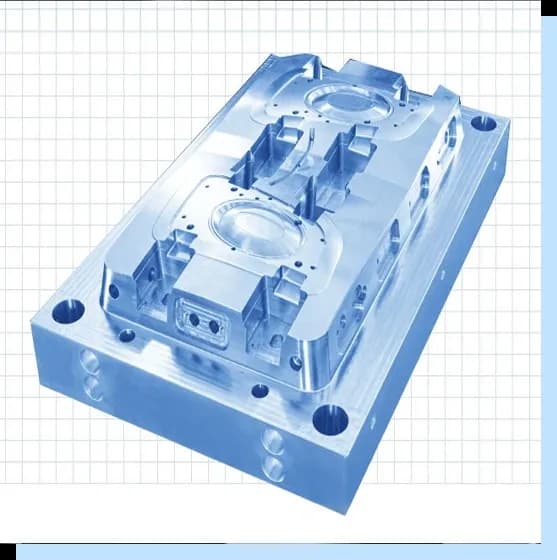
The die and mould industry supports a wide range of manufacturing sectors including automotive, electrical & electronics, consumer products, packaging, and medical. Dies and moulds directly define the shape, accuracy, and surface quality of finished products. CNC machining plays a critical role in producing precise cavities, cores, and mould bases with consistent quality.
Die & Mould Industry
The die and mould industry supports a wide range of manufacturing sectors including automotive, electrical & electronics, consumer products, packaging, and medical. Dies and moulds directly define the shape, accuracy, and surface quality of finished products. CNC machining plays a critical role in producing precise cavities, cores, and mould bases with consistent quality.
Die & Mould Industry
The die and mould industry supports a wide range of manufacturing sectors including automotive, electrical & electronics, consumer products, packaging, and medical. Dies and moulds directly define the shape, accuracy, and surface quality of finished products. CNC machining plays a critical role in producing precise cavities, cores, and mould bases with consistent quality.
Industry Landscape
Any error in machining can lead to defects in large-volume production, making process stability and repeatability essential. Die and mould manufacturing is characterized by:
High accuracy and tight tolerance requirements
Complex 3D profiles and deep cavities
Hard and pre-hardened materials
Long machining cycles with high surface quality expectations
Challenges
Die & Mould manufacturers typically face:
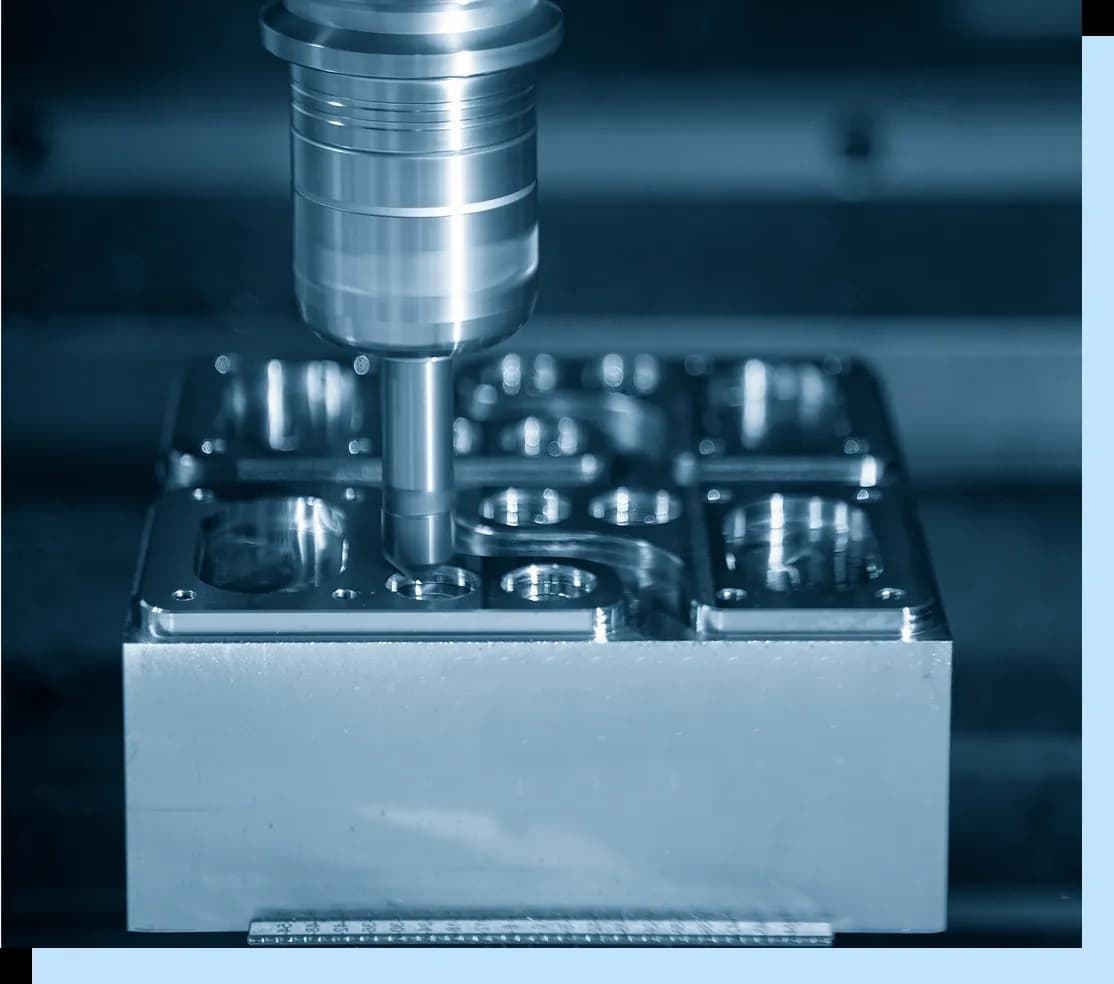
Free-form surfaces and deep cavities demand high positional accuracy.
Poor surface finish increases polishing time and overall cost.
Tool steels require rigid machines and stable cutting conditions.
Extended runtimes require machines that can perform reliably without drift.
Delays in die or mould delivery impact downstream production.

How LMW Supports Die & Mould Manufacturing

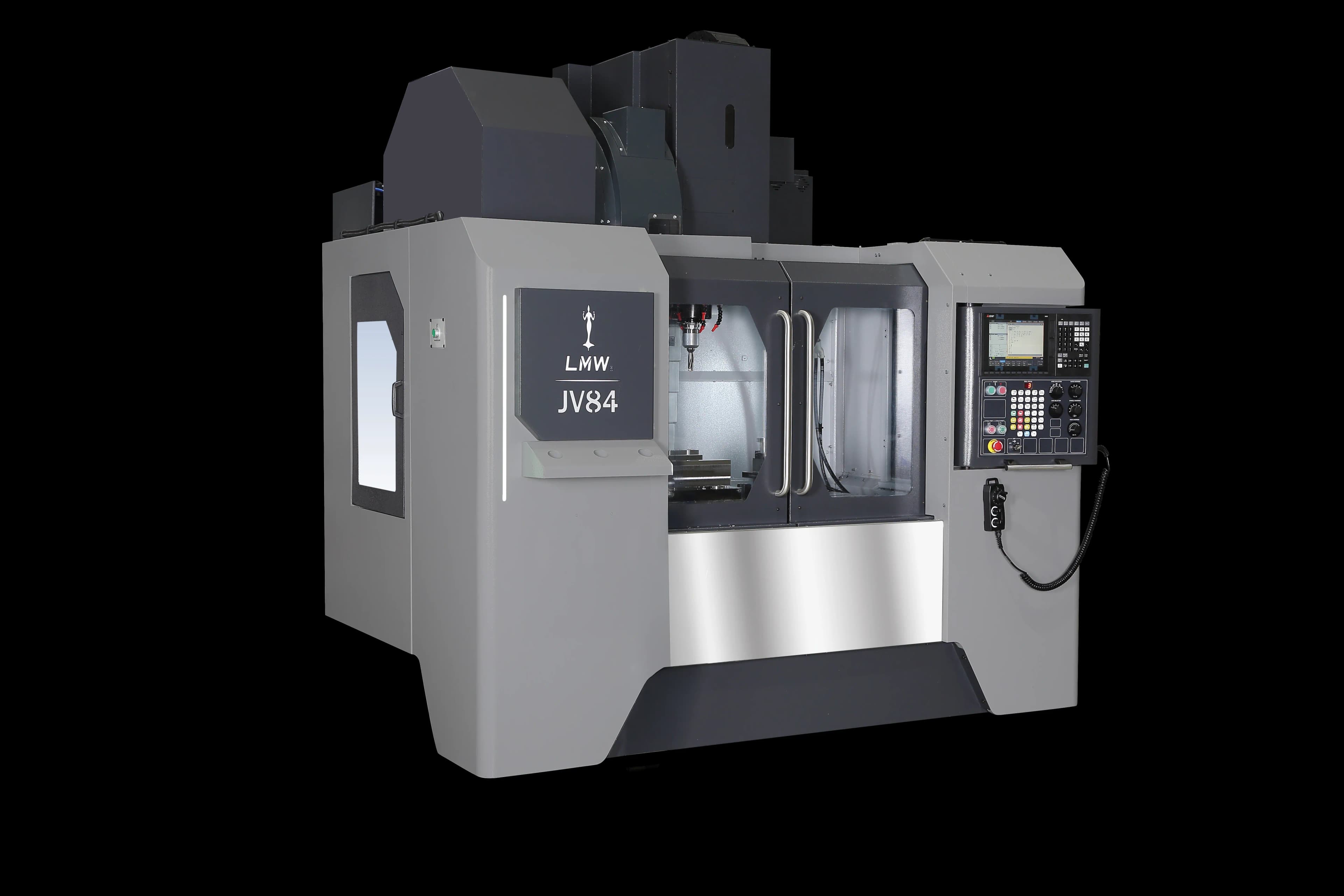
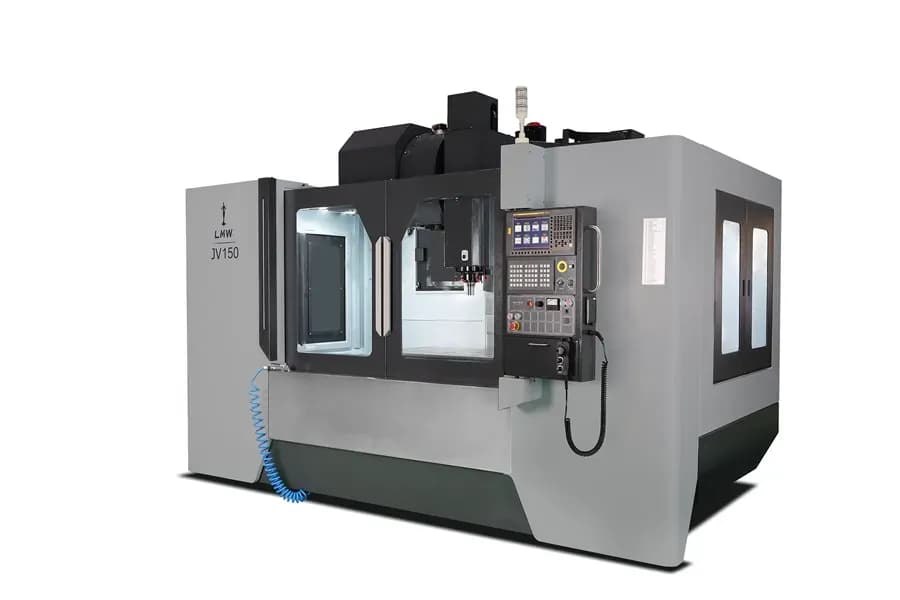
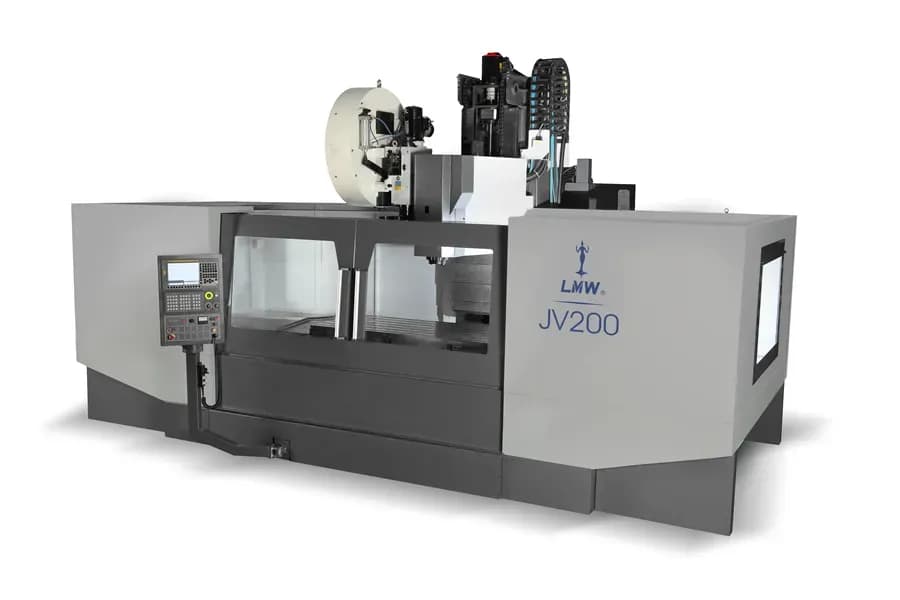
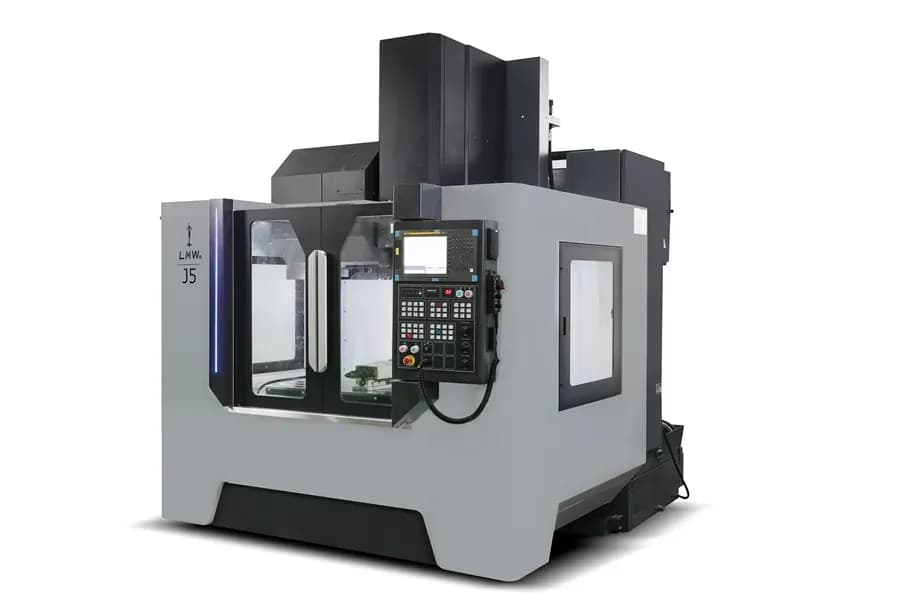
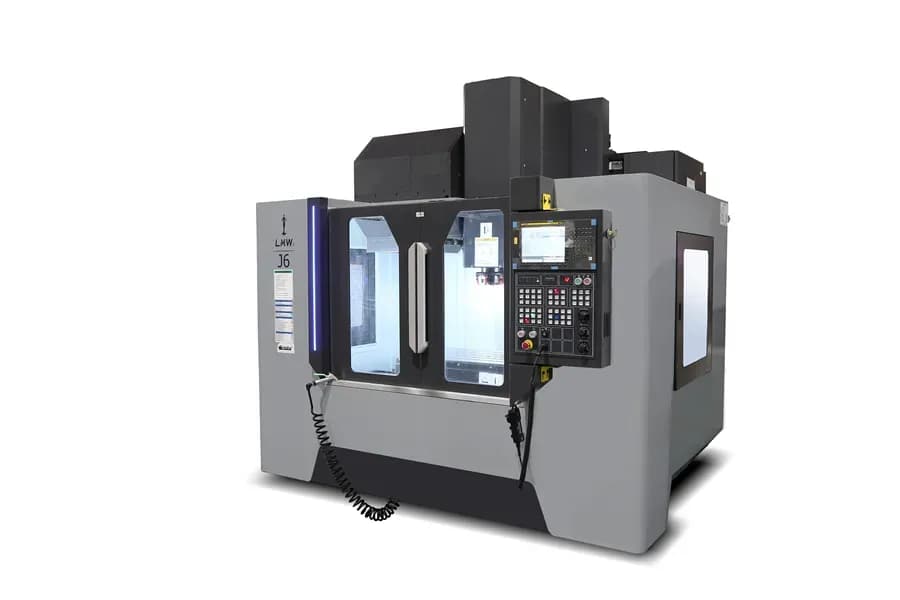
LMW offers CNC solutions designed to meet die and mould machining needs.

- 1.Suitable for complex 3D contouring
- 2.Consistent accuracy during long machining cycles
- 1.Supports finishing operations with improved surface quality
- 2.Reduces polishing and manual rework
Maintains accuracy while machining hardened materials
Support for tooling, CAM strategies, and process optimization
Future Outlook
As product designs become more complex and production cycles shorten, demand for high-precision dies and moulds will continue to grow. CNC machines capable of stable, accurate, and long-duration machining will remain critical. LMW continues to strengthen its precision machining solutions to support evolving requirements in the die and mould industry.