Electric Vehicle (EV) Industry
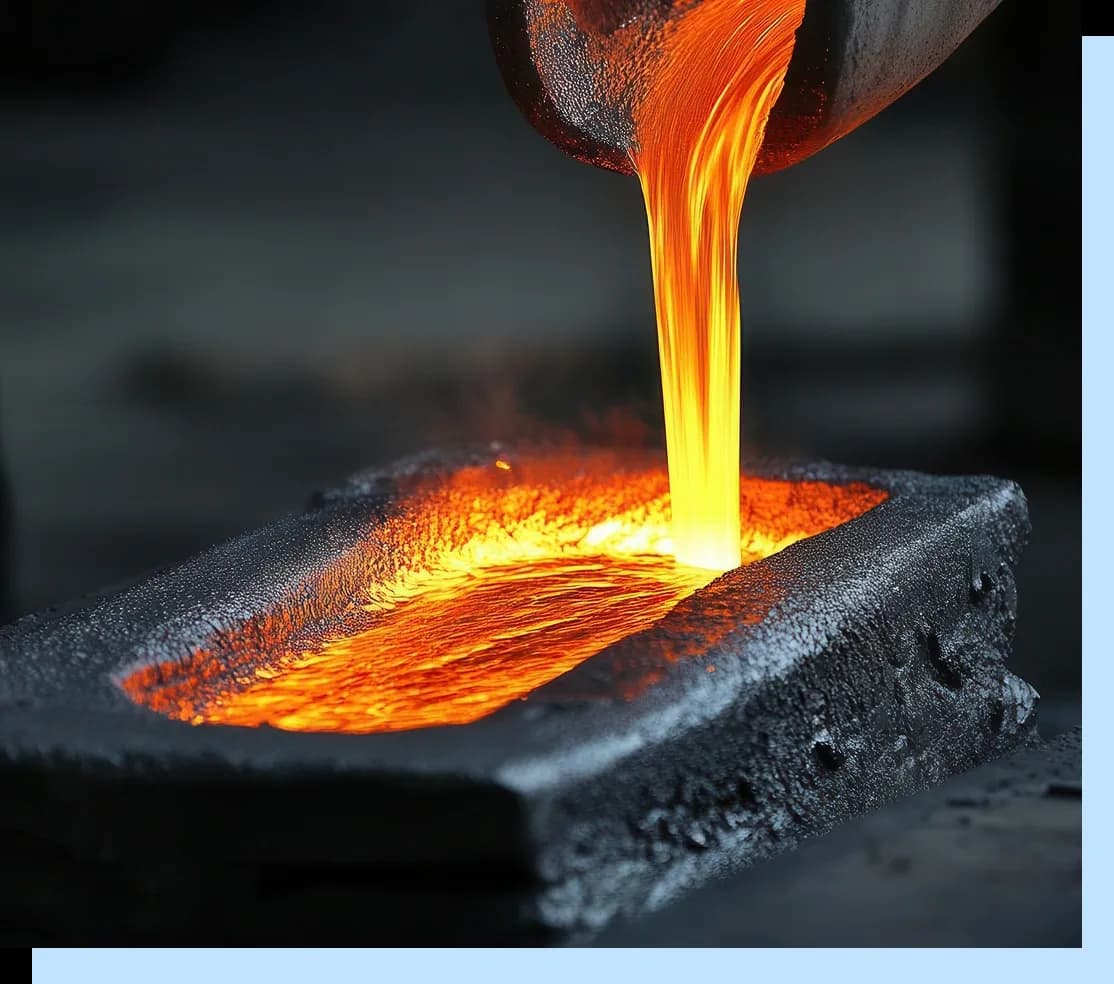
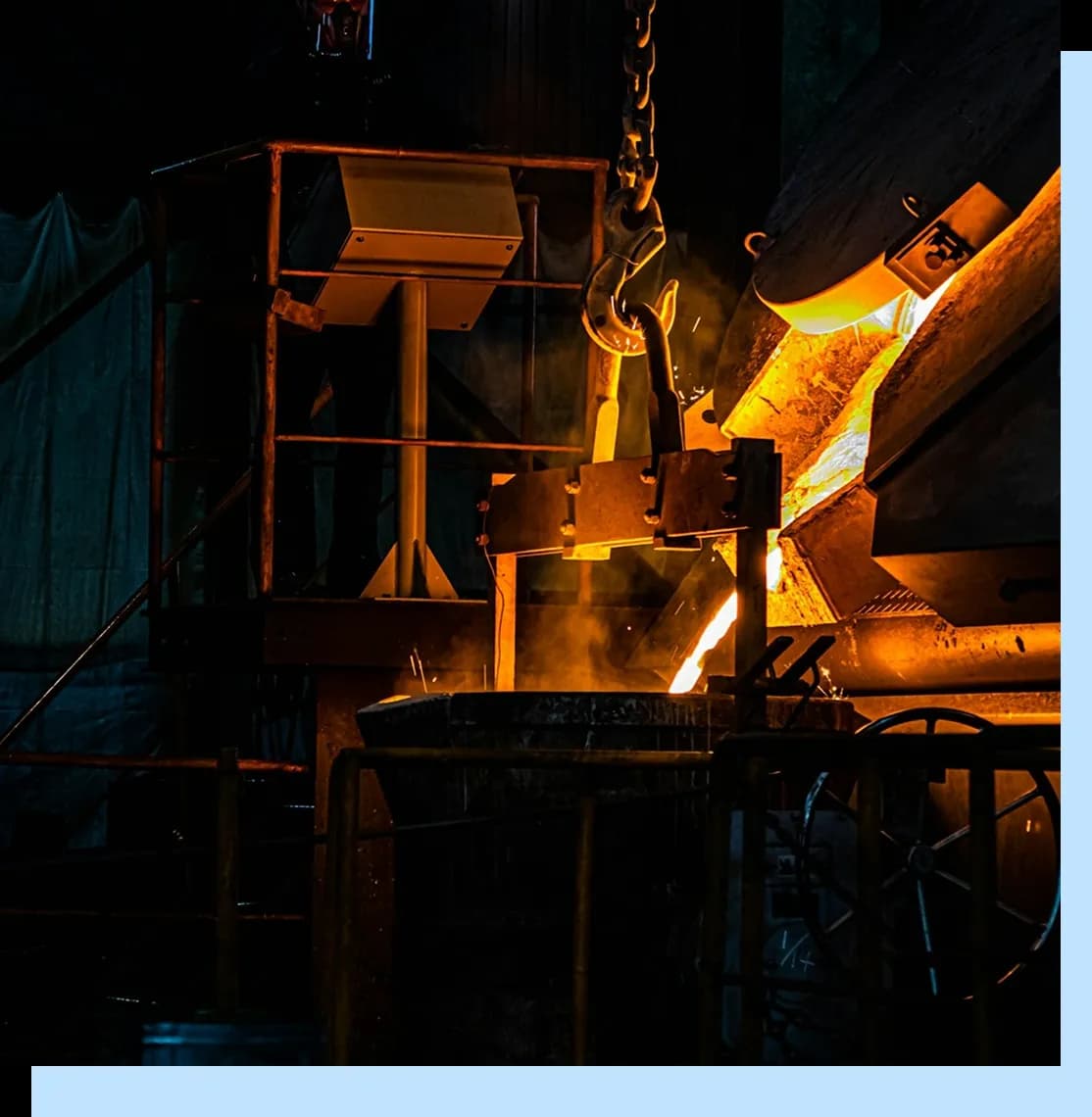
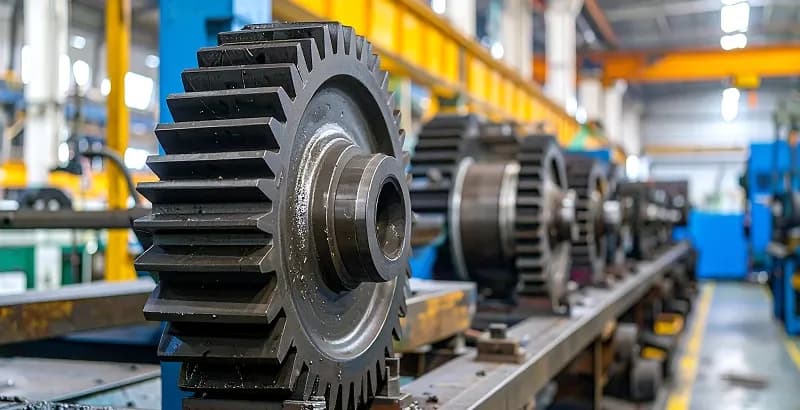
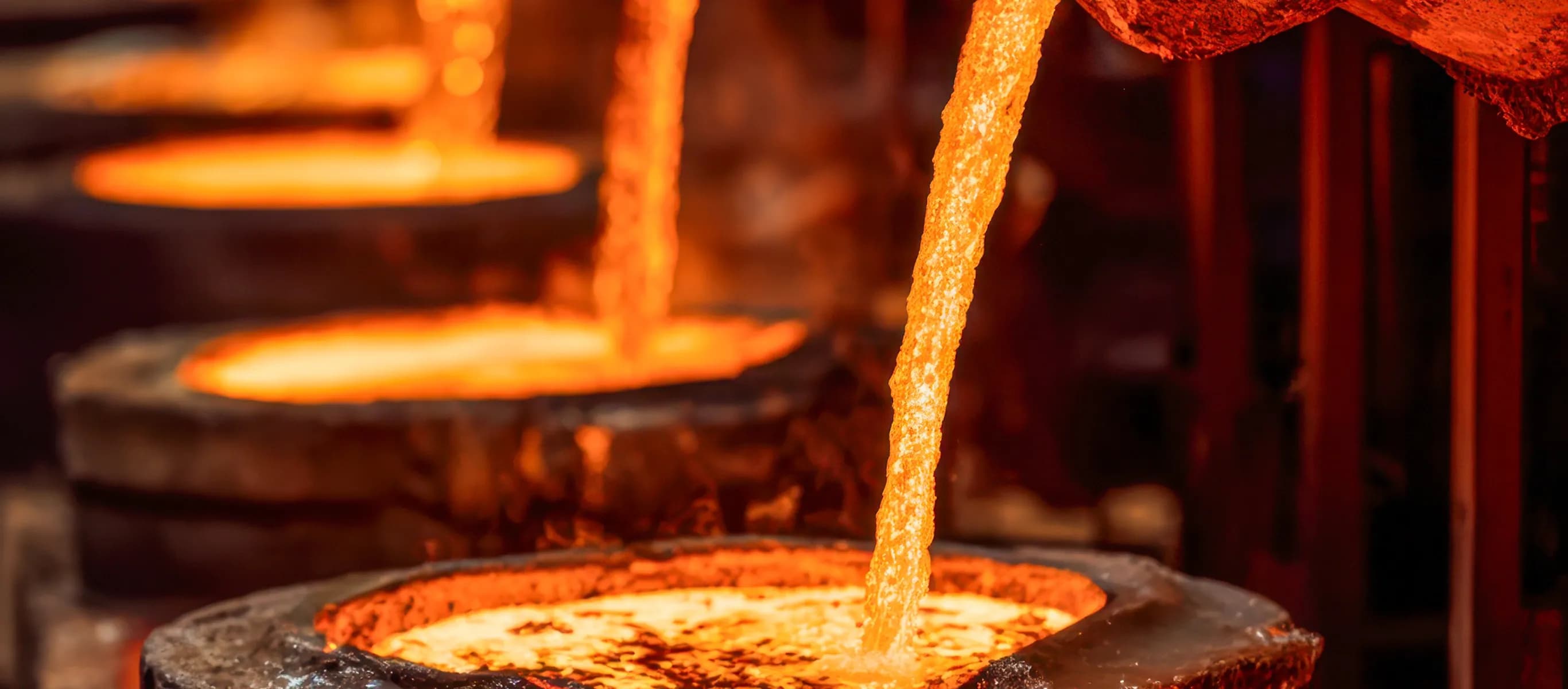
The foundry and forging industry forms the backbone of heavy manufacturing by supplying raw and semi-finished components to sectors such as automotive, railways, power, construction, and agriculture. Components produced through casting and forging require extensive machining to achieve final dimensions, functional surfaces, and assembly accuracy. CNC machining ensures consistency, reliability, and repeatable quality in these operations.
Electric Vehicle (EV) Industry
The foundry and forging industry forms the backbone of heavy manufacturing by supplying raw and semi-finished components to sectors such as automotive, railways, power, construction, and agriculture. Components produced through casting and forging require extensive machining to achieve final dimensions, functional surfaces, and assembly accuracy. CNC machining ensures consistency, reliability, and repeatable quality in these operations.
Electric Vehicle (EV) Industry
The foundry and forging industry forms the backbone of heavy manufacturing by supplying raw and semi-finished components to sectors such as automotive, railways, power, construction, and agriculture. Components produced through casting and forging require extensive machining to achieve final dimensions, functional surfaces, and assembly accuracy. CNC machining ensures consistency, reliability, and repeatable quality in these operations.
Industry Landscape
Machines used in this industry must deliver high torque, rigidity, and stable performance under demanding conditions. Foundry and forging machining is defined by:
Machining of bulky cast and forged components supported by rigid machine structures and high load-handling capability.
Powerful cutting performance with high torque output to sustain deep cuts and large chip loads.
Stable machining control that accommodates uneven surfaces and varying material hardness.
Robust machine construction that maintains dimensional stability under extended heavy-duty operations.


Key Components & Sub-Assemblies
Materials commonly include cast iron, ductile iron, carbon steel, and alloy steel. LMW CNC machines support machining of a wide range of cast and forged components:

Engine and gearbox housings

Pump and valve bodies

Structural brackets and frames

Shafts and axles

Flanges and rings

Connecting and load-bearing parts
Challenges
Foundry & Forging machining typically face:
Castings and forgings often have inconsistent stock and hardness.
High depth of cut and large chip loads demand torque and machine stability.
Maintaining accuracy after heavy roughing is a constant challenge.
Aggressive cutting leads to rapid tool wear if not properly controlled.
Workpiece loading and fixturing affect productivity and safety.

How LMW Supports Foundry & Forging Machining
LMW provides CNC solutions designed for rough and finish machining of cast and forged parts:

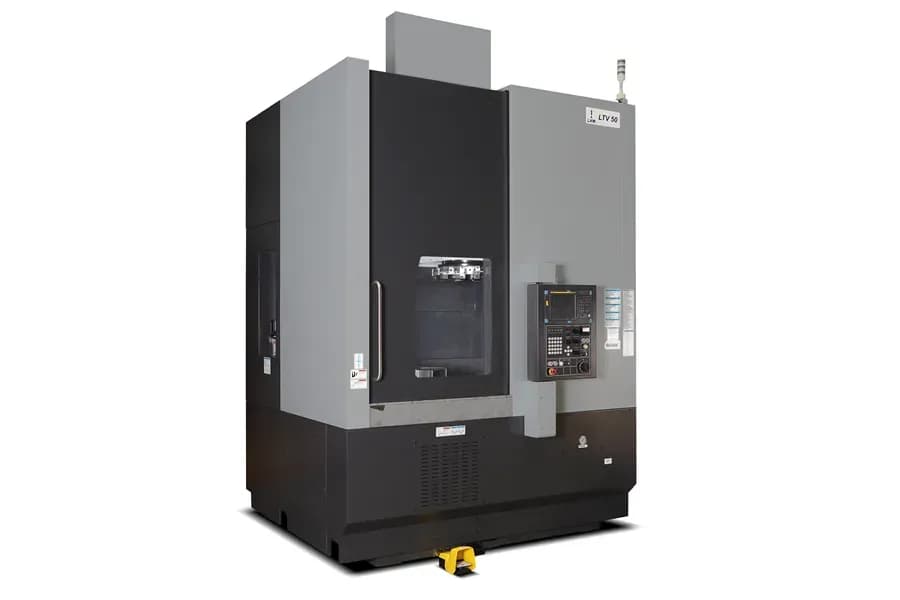
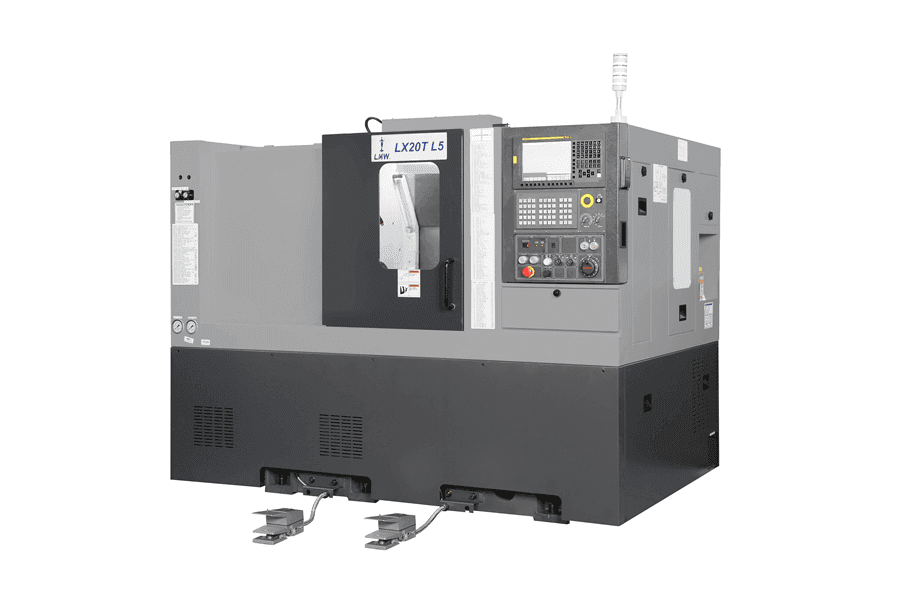
1. High-torque spindles for large diameters and heavy parts 2. Stable rough and finish turning operations
1. Ideal for large and heavy ring-type components 2. Improved stability and easier handling of bulky workpieces
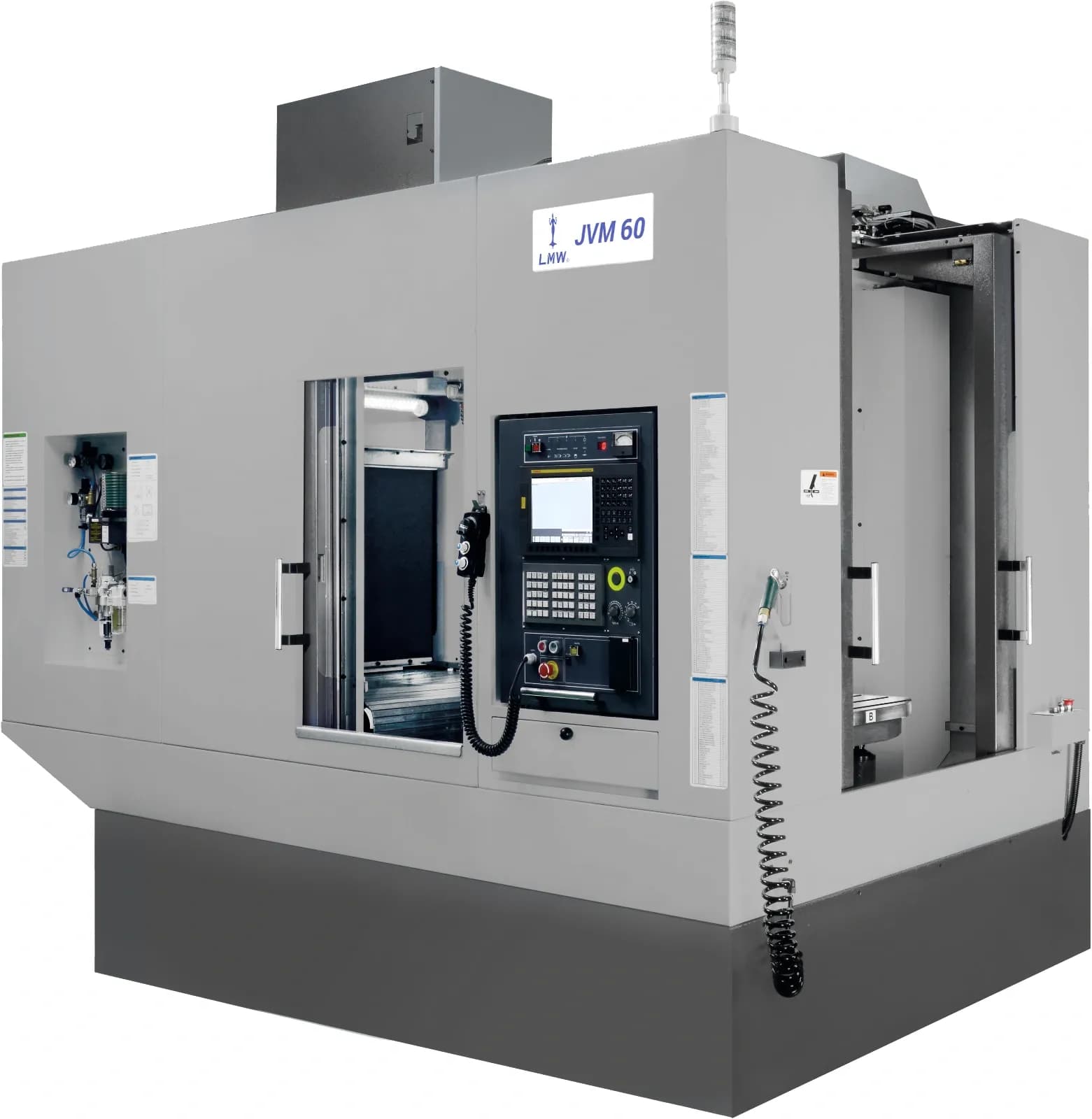
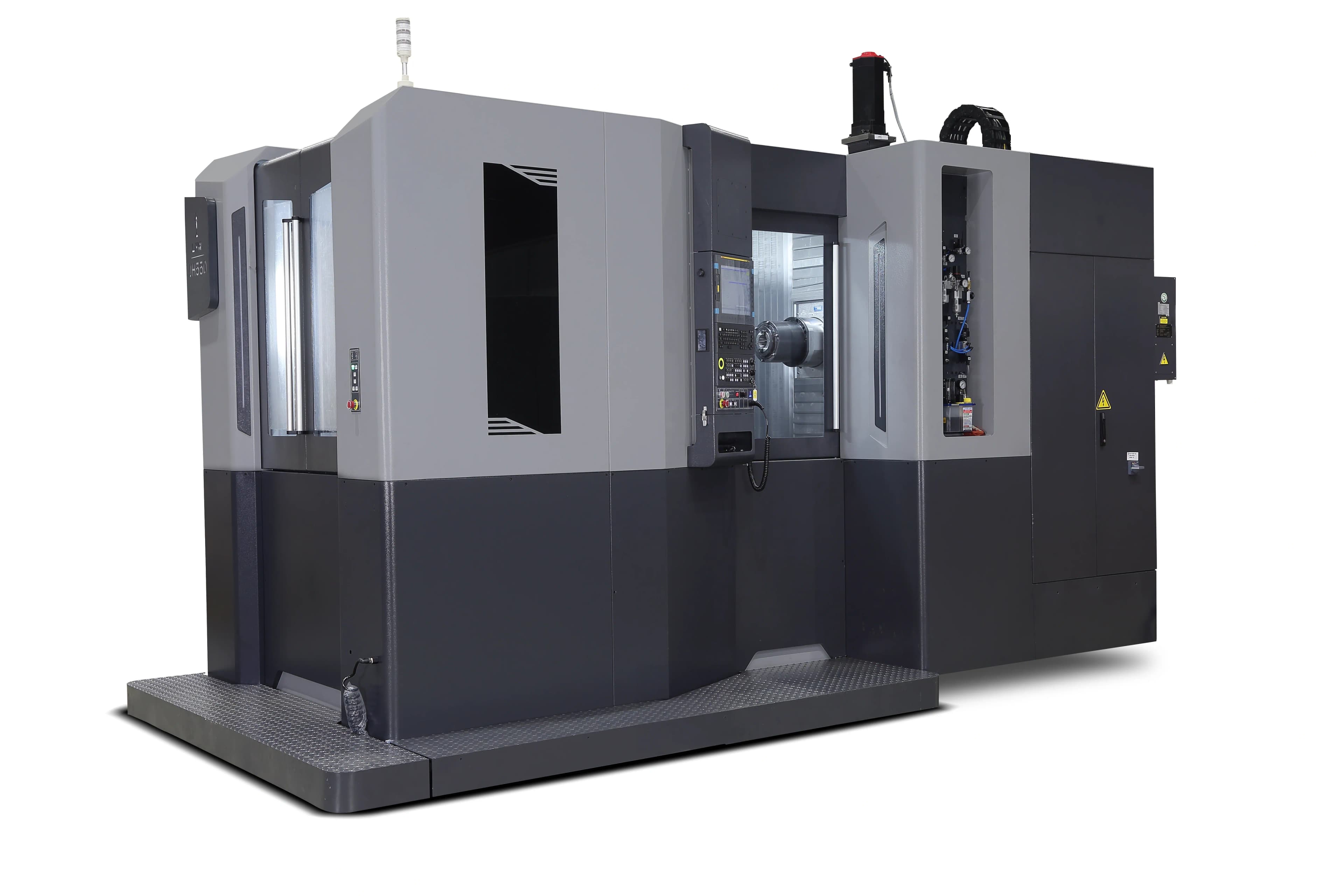
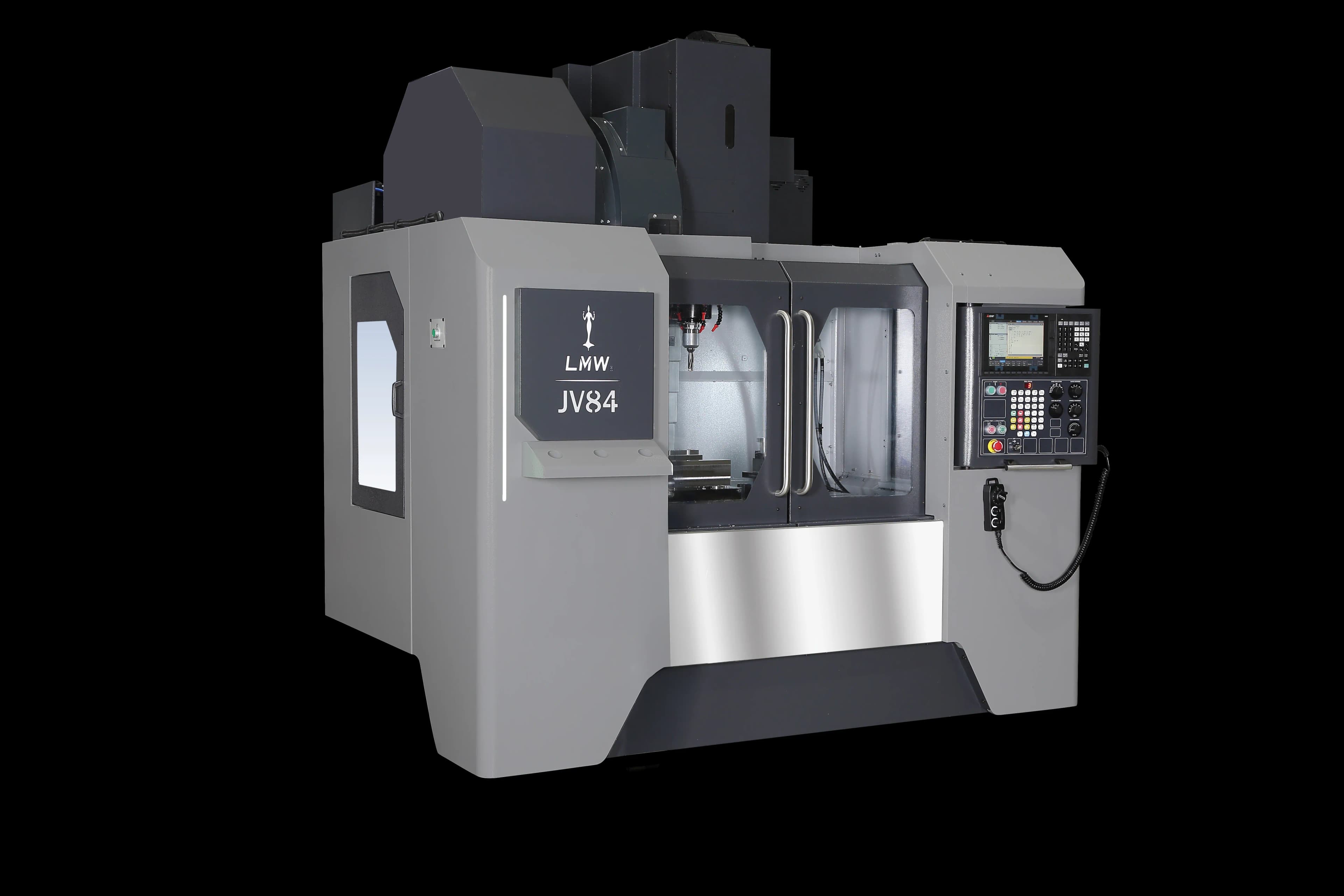
1. Machining of faces, bores, and complex features 2. Suitable for heavy drilling, tapping, and milling
1. Designed to handle heavy cutting forces 2. Maintains accuracy across long machining cycles
Assistance in tooling, fixturing, and cycle optimization
Future Outlook
As infrastructure, transportation, and industrial manufacturing continue to grow, demand for cast and forged components will remain strong. This will increase the need for CNC machines capable of heavy-duty, stable, and high-torque machining. LMW continues to strengthen its turning and machining center solutions to support the evolving needs of the foundry and forging industry.
Other Industries

Aerospace

Agri & Earthmovers

Automobile

Bearing & Fitting

Aerospace

Agri & Earthmovers

Automobile

Bearing & Fitting