Electric Vehicle (EV) Industry
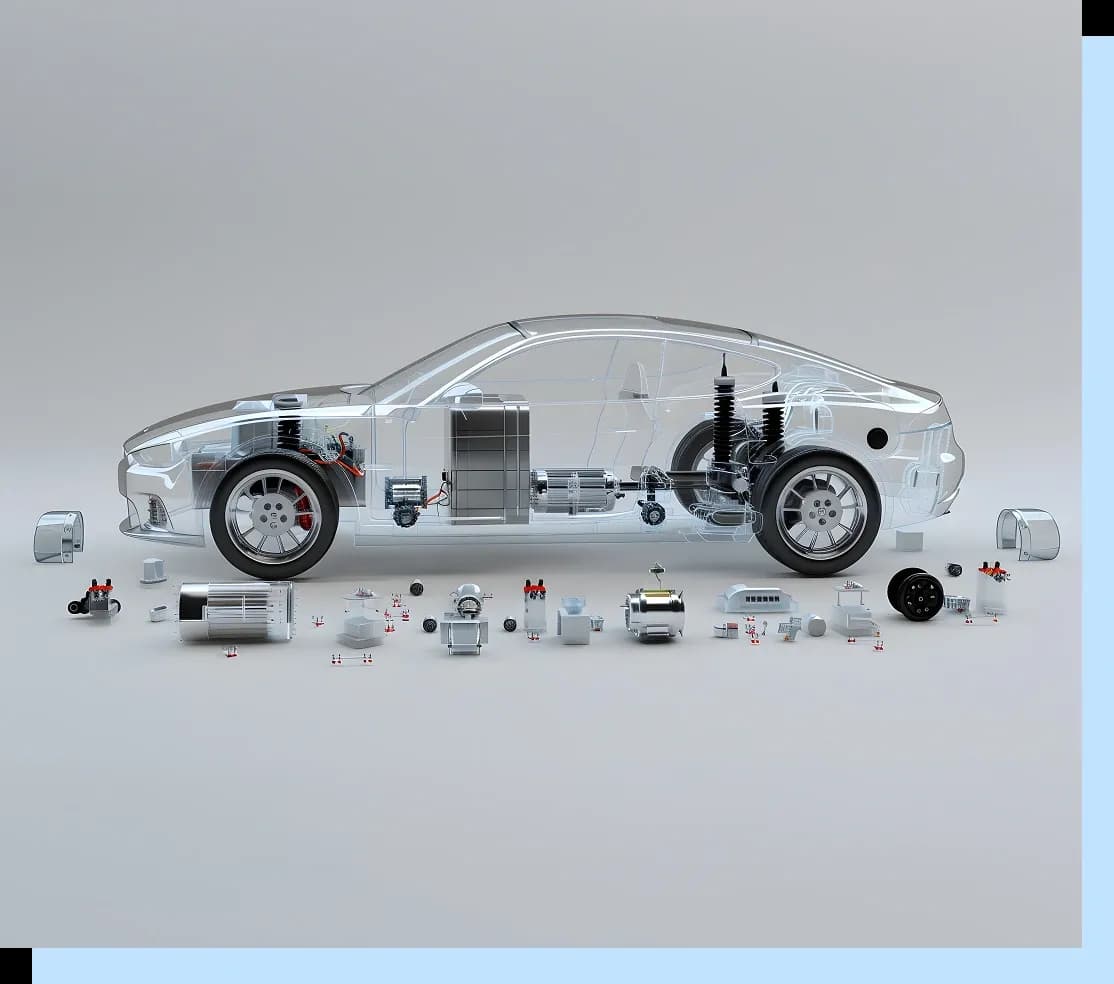
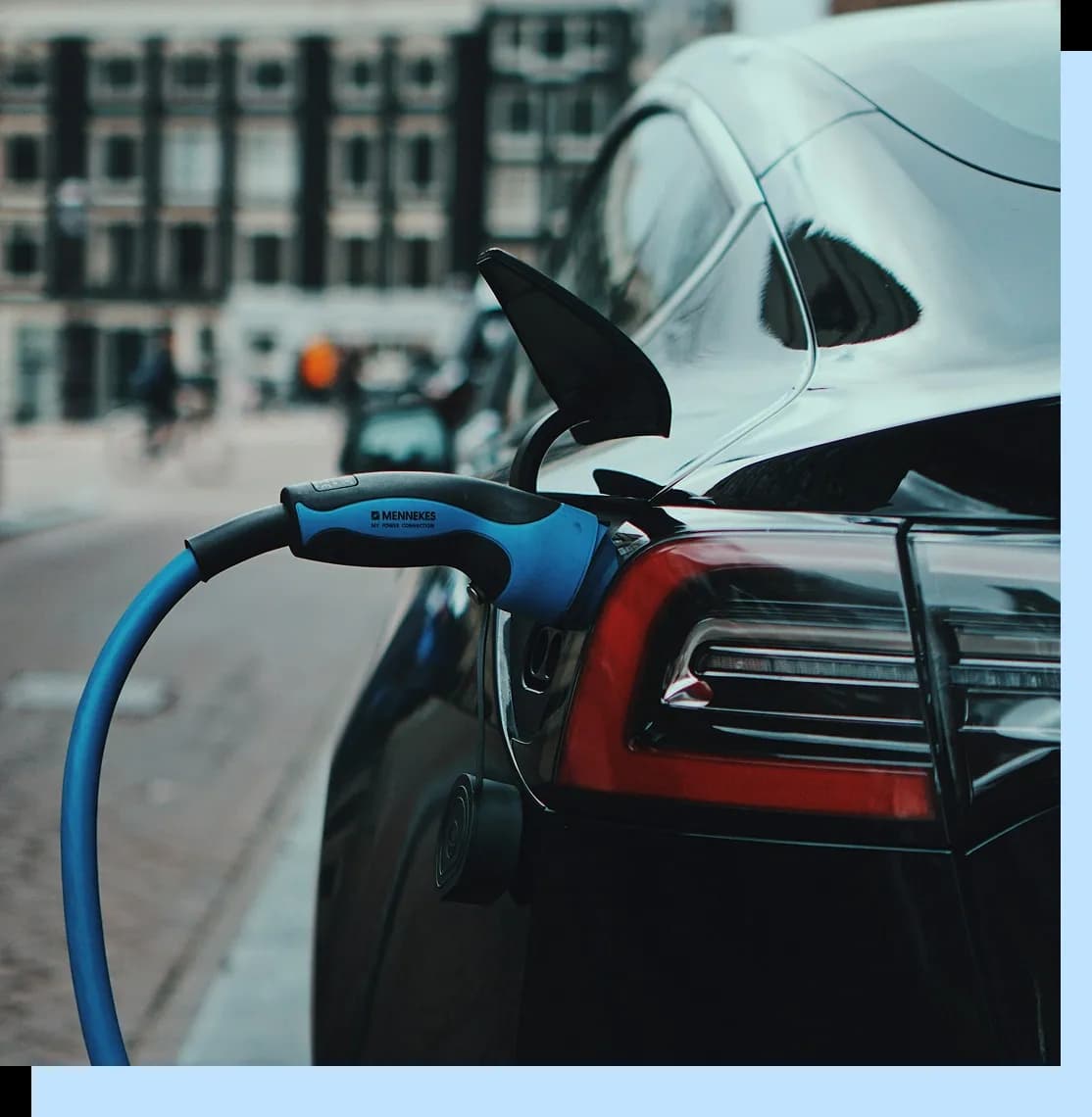
The electric vehicle industry is growing rapidly as mobility shifts toward cleaner, more efficient transportation. EV manufacturers focus strongly on lightweight design, energy efficiency, and consistent quality to improve vehicle range and performance. CNC machining plays a key role in producing precise and reliable components used across EV powertrains and structures.
Electric Vehicle (EV) Industry
The electric vehicle industry is growing rapidly as mobility shifts toward cleaner, more efficient transportation. EV manufacturers focus strongly on lightweight design, energy efficiency, and consistent quality to improve vehicle range and performance. CNC machining plays a key role in producing precise and reliable components used across EV powertrains and structures.
Electric Vehicle (EV) Industry
The electric vehicle industry is growing rapidly as mobility shifts toward cleaner, more efficient transportation. EV manufacturers focus strongly on lightweight design, energy efficiency, and consistent quality to improve vehicle range and performance. CNC machining plays a key role in producing precise and reliable components used across EV powertrains and structures.
Industry Landscape
Compared to conventional vehicles, EV components often require thinner walls, complex profiles, and better surface quality, making machining stability and process control essential. EV manufacturing is driven by:
High-speed machining performance optimized for aluminium and lightweight alloys with stable cutting control.
Multi-axis machining capability that supports complex geometries and closely integrated part structures.
Consistent dimensional accuracy and repeatable performance across large aluminium component batches.
Stable machining processes that maintain precision and surface quality throughout extended production cycles.


Products for Electric Vehicle (EV) Industry
Key Components & Sub-Assemblies
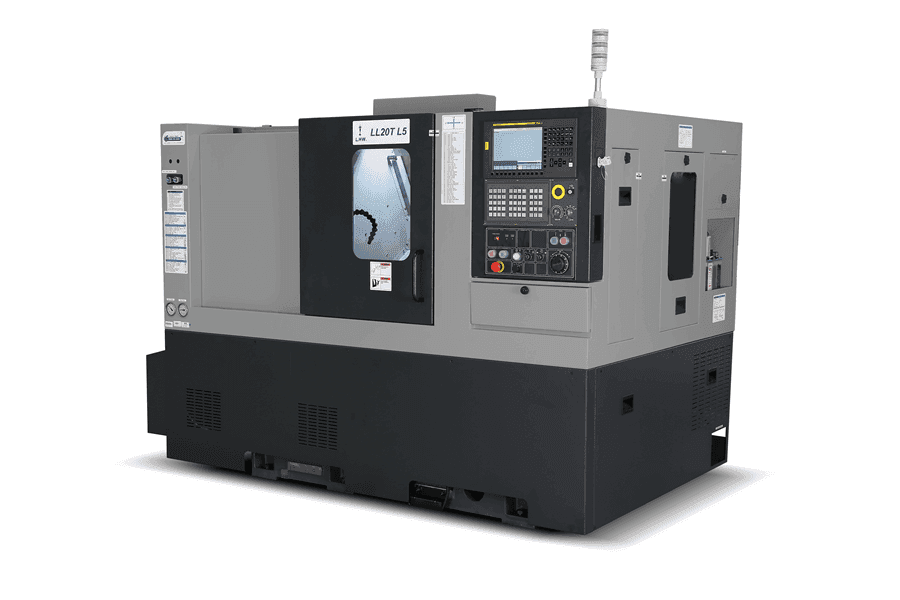
LMW CNC machines support machining of a wide range of EV components, many of which are aluminium-based:

Motor housings

Rotor and stator housings

End covers

Battery housings and trays

Cooling plates

Heat sink components
Challenges
Electric Vehicle (EV) manufacturers typically face:
Aluminium components require high spindle speeds, stable cutting, and proper chip evacuation to achieve good surface finish and avoid built-up edge.
Deformation and vibration are common risks during machining.
Many EV components are visible or functional and require smooth, consistent finishes.
EV manufacturers demand repeatable quality across large batches.
High-volume production requires optimized machining cycles without compromising quality.

How LMW Supports EV Manufacturing
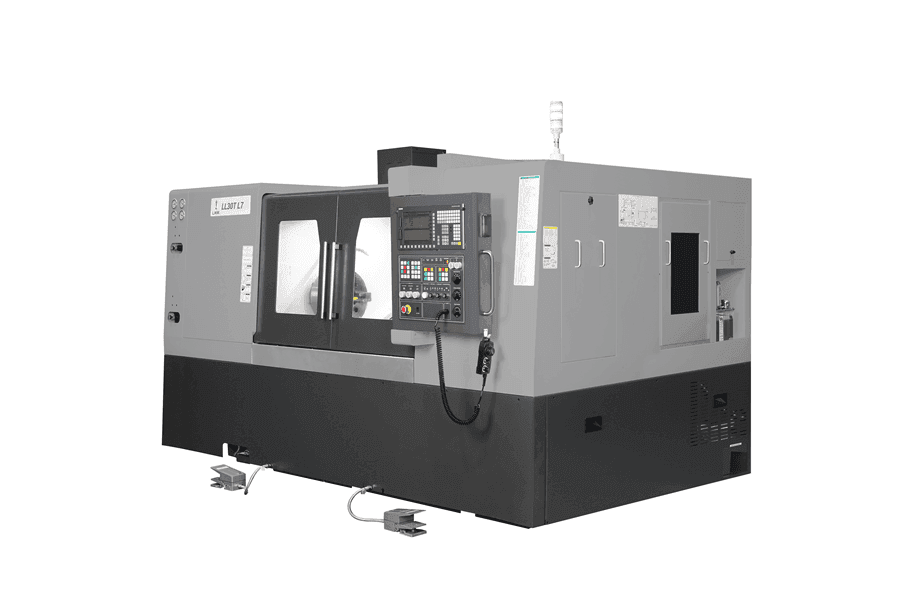
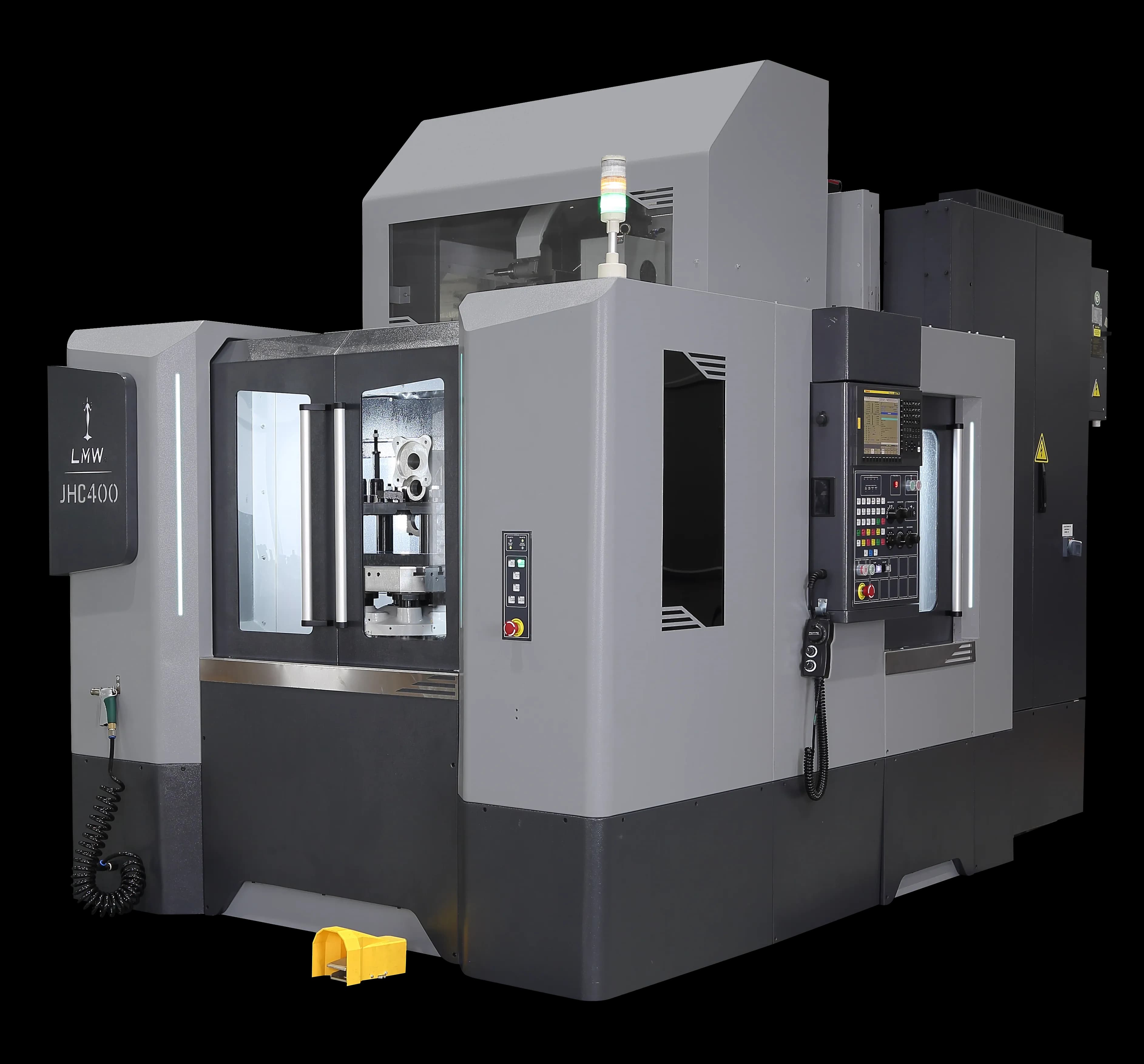
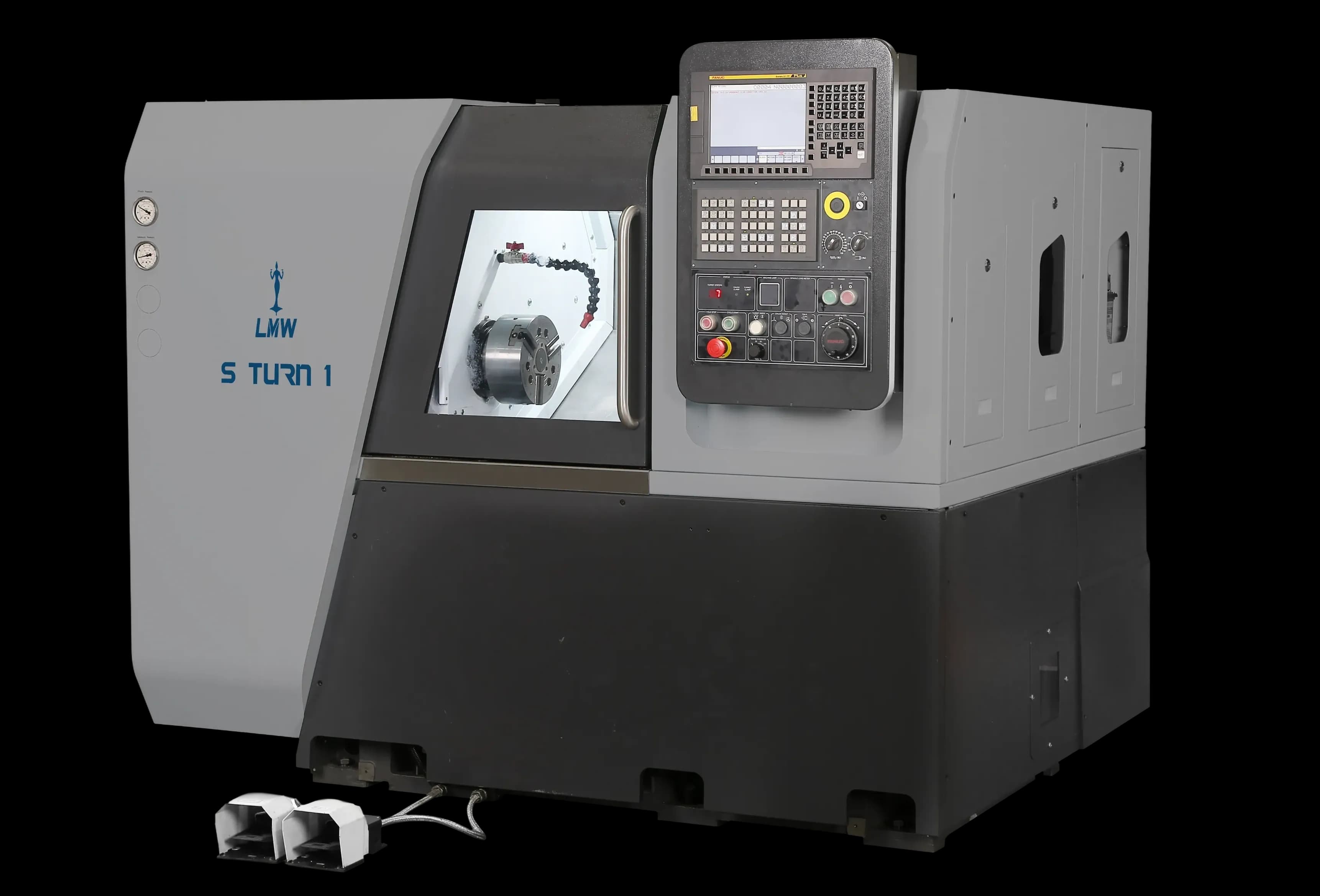
LMW CNC solutions are designed to meet the specific needs of EV and aluminium machining:

1. High spindle speeds suitable for aluminium alloys 2. Stable cutting for improved surface finish
1. Supports thin-wall machining with controlled vibration 2. Maintains accuracy during long production runs
1. Turning, milling, and turnmill machines for complex profiles 2. Reduced setups and improved process consistency
Machine design supports fast chip removal during aluminium cutting
Process support for tooling, cutting parameters, and fixture planning
Future Outlook
As EV platforms evolve, the use of aluminium and lightweight materials will continue to increase. Components will become more integrated, with tighter tolerances and higher production volumes. CNC machines capable of high-speed, stable aluminium machining will be essential. LMW continues to strengthen its machining solutions to support the growing demands of the electric vehicle industry.
Other Industries

Aerospace

Agri & Earthmovers

Automobile

Bearing & Fitting

Aerospace

Agri & Earthmovers

Automobile

Bearing & Fitting