Railway Industry
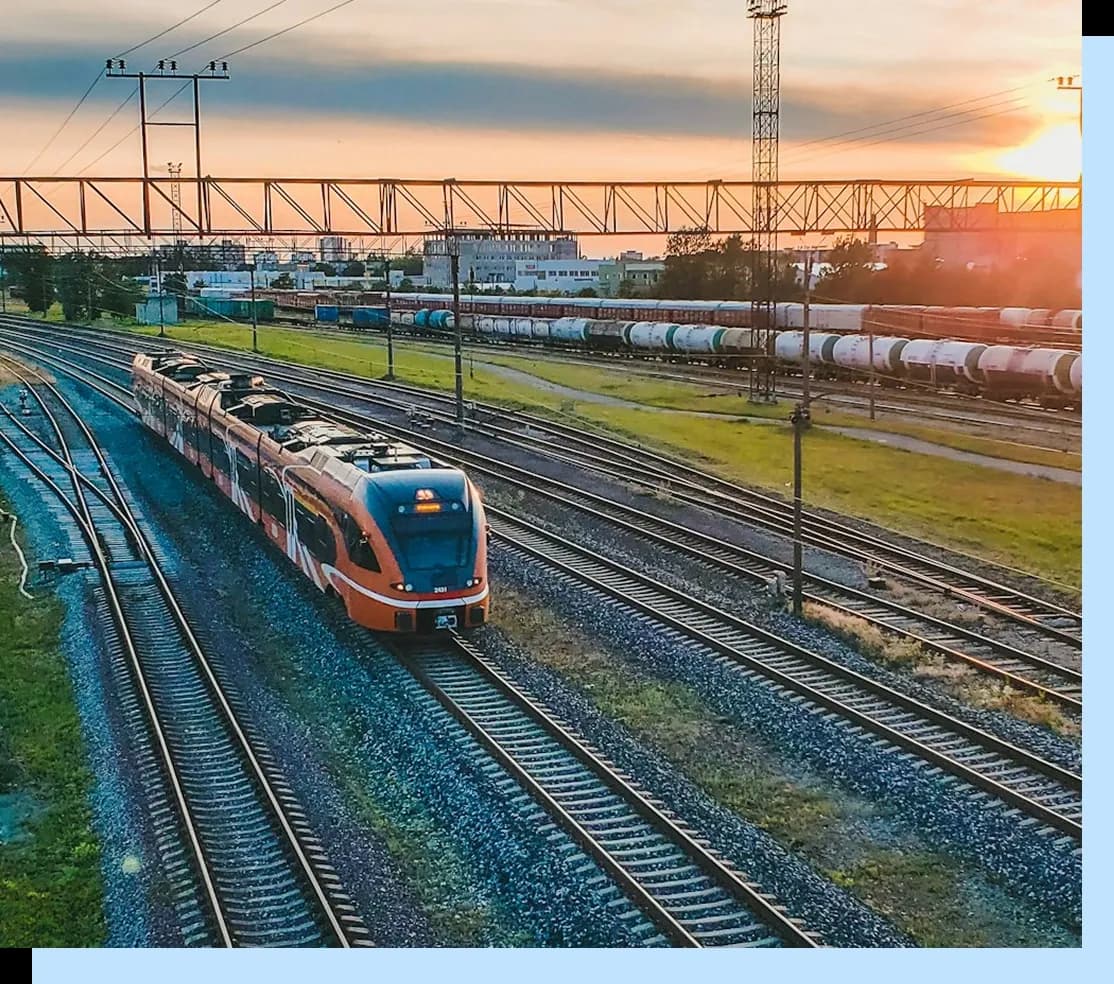
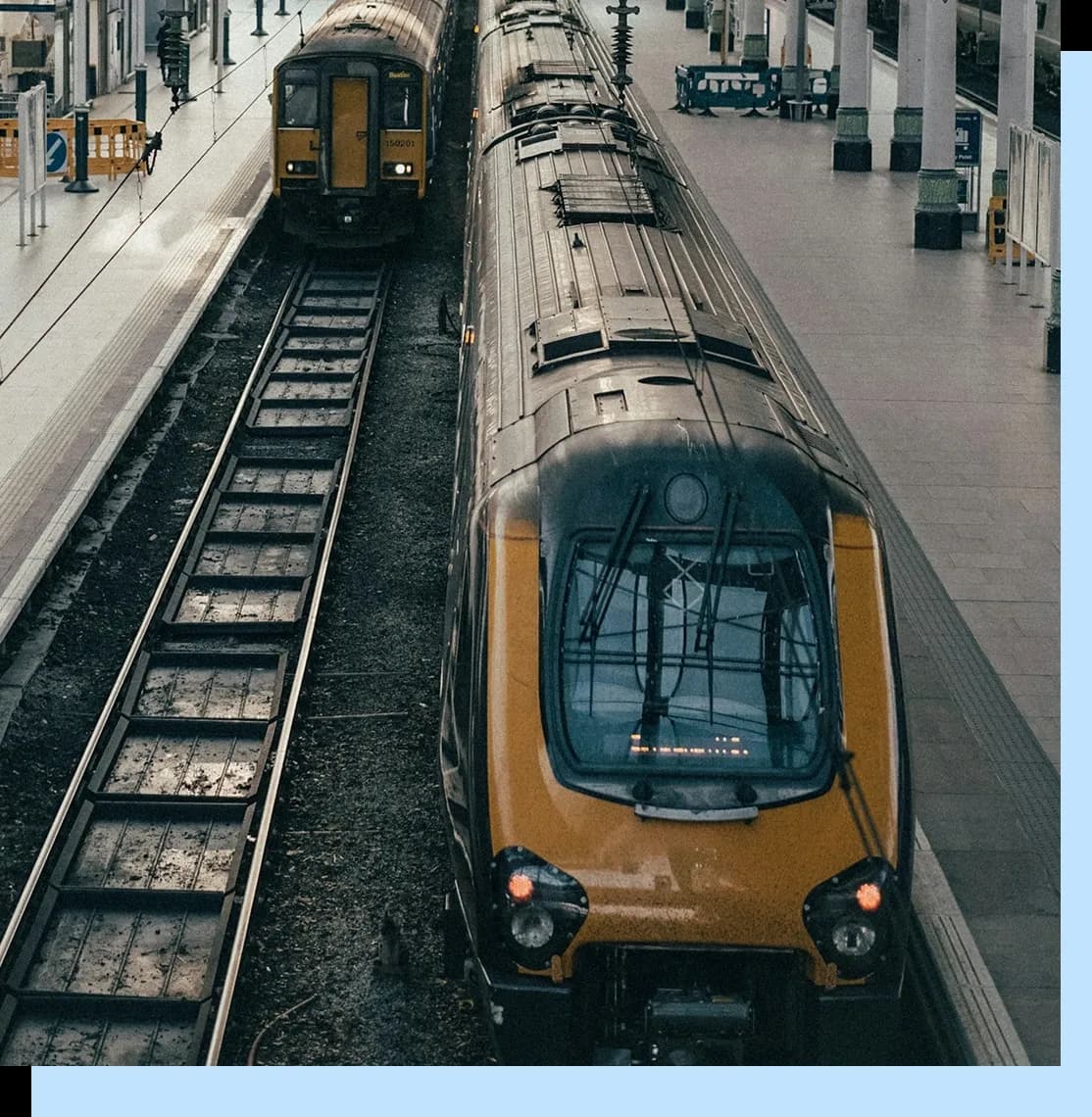
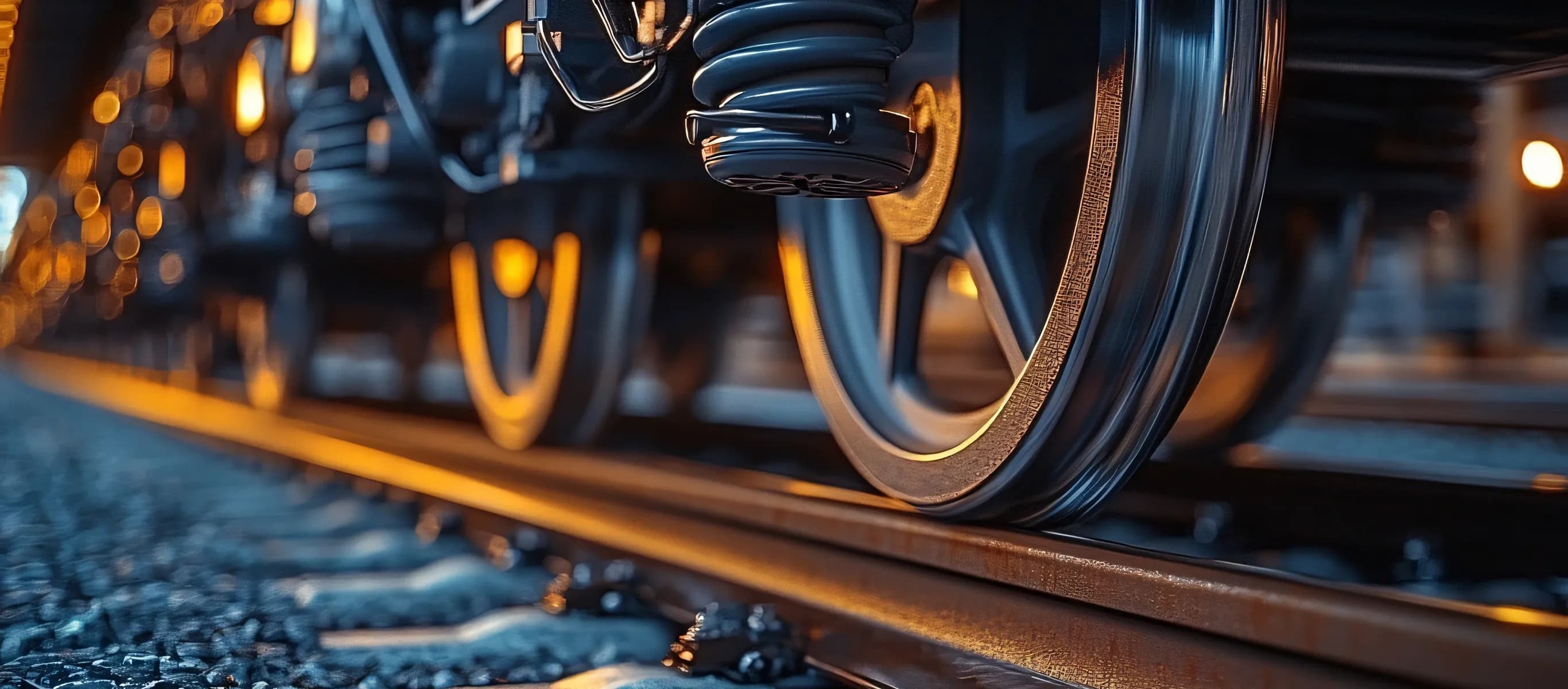
The railway industry plays a vital role in mass transportation, freight movement, and infrastructure development. With ongoing investments in rail networks, rolling stock, and modernization programs, manufacturers are required to deliver durable, accurate, and reliable components. CNC machining supports this demand by ensuring consistency, dimensional accuracy, and long service life of railway parts.
Railway Industry
The railway industry plays a vital role in mass transportation, freight movement, and infrastructure development. With ongoing investments in rail networks, rolling stock, and modernization programs, manufacturers are required to deliver durable, accurate, and reliable components. CNC machining supports this demand by ensuring consistency, dimensional accuracy, and long service life of railway parts.
Railway Industry
The railway industry plays a vital role in mass transportation, freight movement, and infrastructure development. With ongoing investments in rail networks, rolling stock, and modernization programs, manufacturers are required to deliver durable, accurate, and reliable components. CNC machining supports this demand by ensuring consistency, dimensional accuracy, and long service life of railway parts.
Industry Landscape
Components must perform under continuous load, vibration, and varying environmental conditions. This makes machine rigidity and process stability critical. Railway component manufacturing involves:
Machining of high-mass railway parts supported by rigid machine platforms and stable load-handling capability.
Accurate machining of extended shafts and axles with controlled straightness and dimensional consistency.
Stable cutting performance across variable stock conditions to maintain reliable dimensional accuracy.
Controlled machining processes that support structural integrity and dependable long-term operation under load and vibration.


Key Components Machined Using CNC
These parts are typically manufactured from carbon steel, alloy steel, and cast iron. LMW CNC machines support machining of a wide range of railway components:

Axle boxes

Wheel hubs

Brake discs and drums

Suspension components
Couplers and knuckles
Housings and brackets
Challenges
Railway manufacturers share some common challenges:
Railway components often require high torque, stable clamping, and machines capable of handling large diameters and weights.
Long components demand consistent accuracy and straightness.
Material variation and uneven stock add to machining complexity.
Critical areas such as bearing seats and mounting faces require controlled finish.
Railway components are often produced in medium to high volumes with strict quality norms.

How LMW Supports Railway Manufacturing

LMW provides CNC solutions suited for large and heavy railway components:

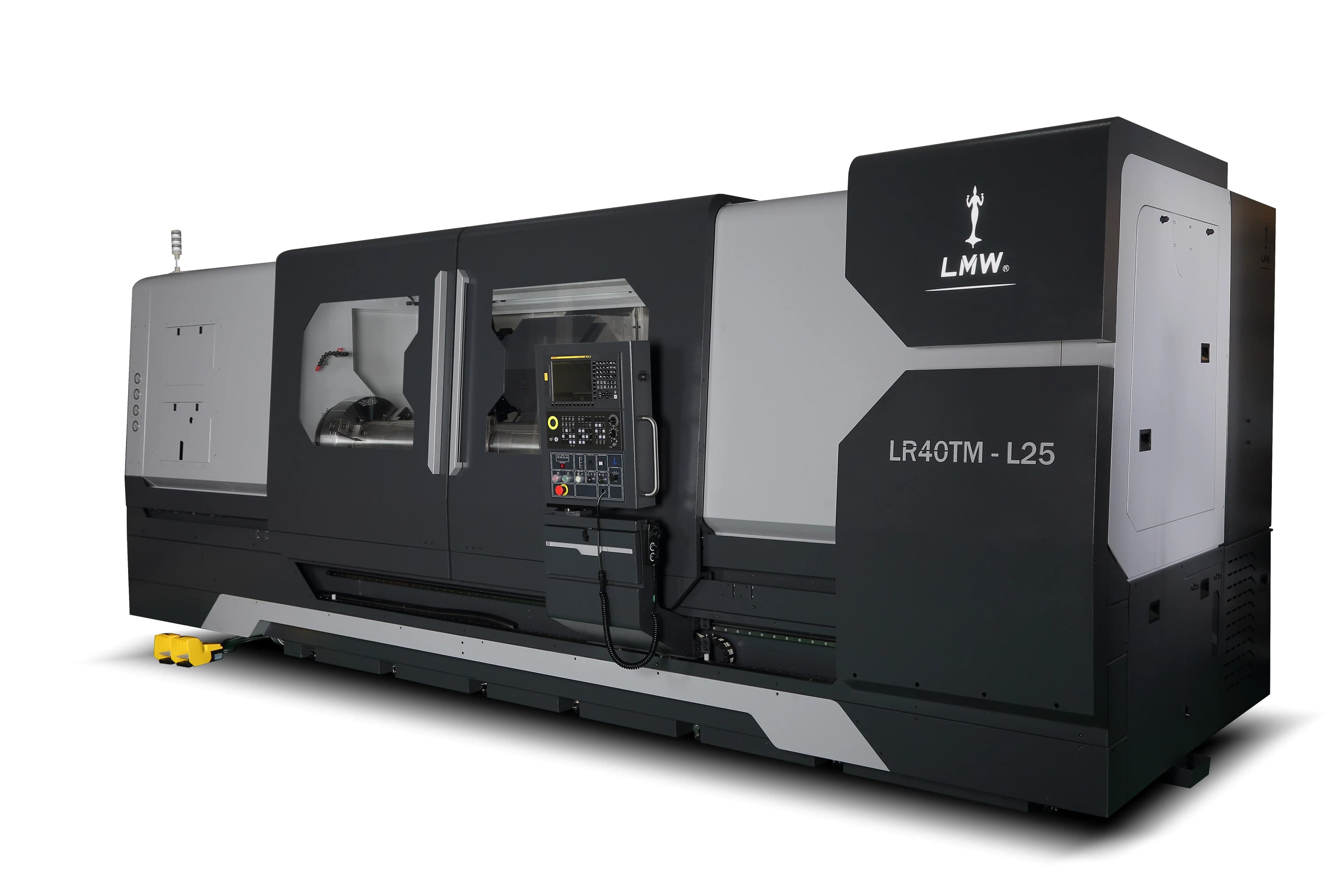
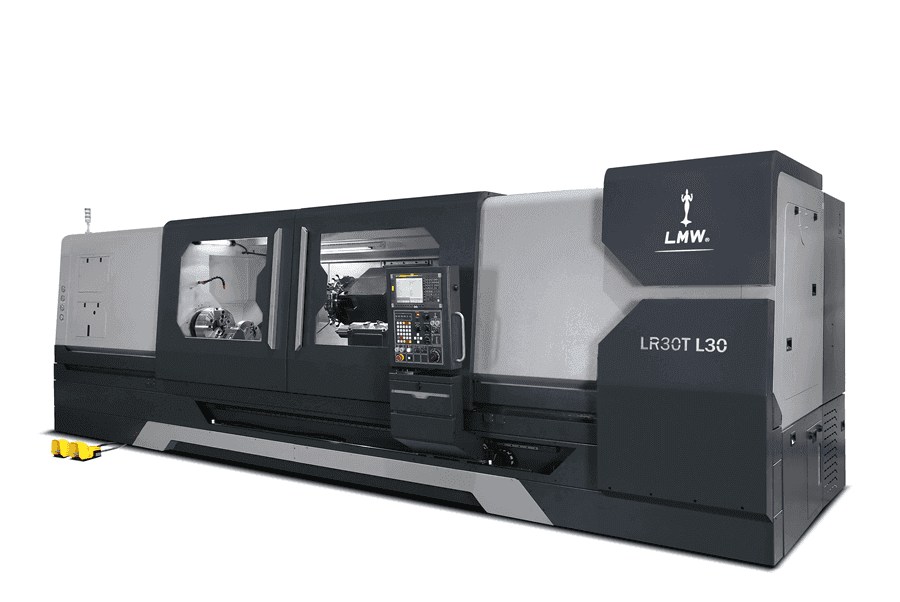
1. High torque spindles for heavy-duty turning 2. Stable performance for large diameters and long components 3. Suitable for axles, hubs, brake components, and shafts
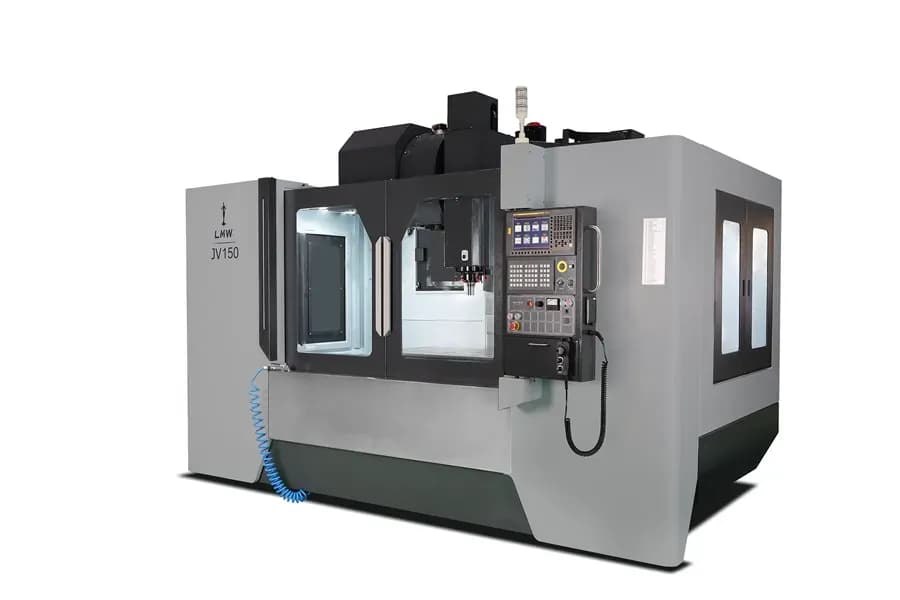
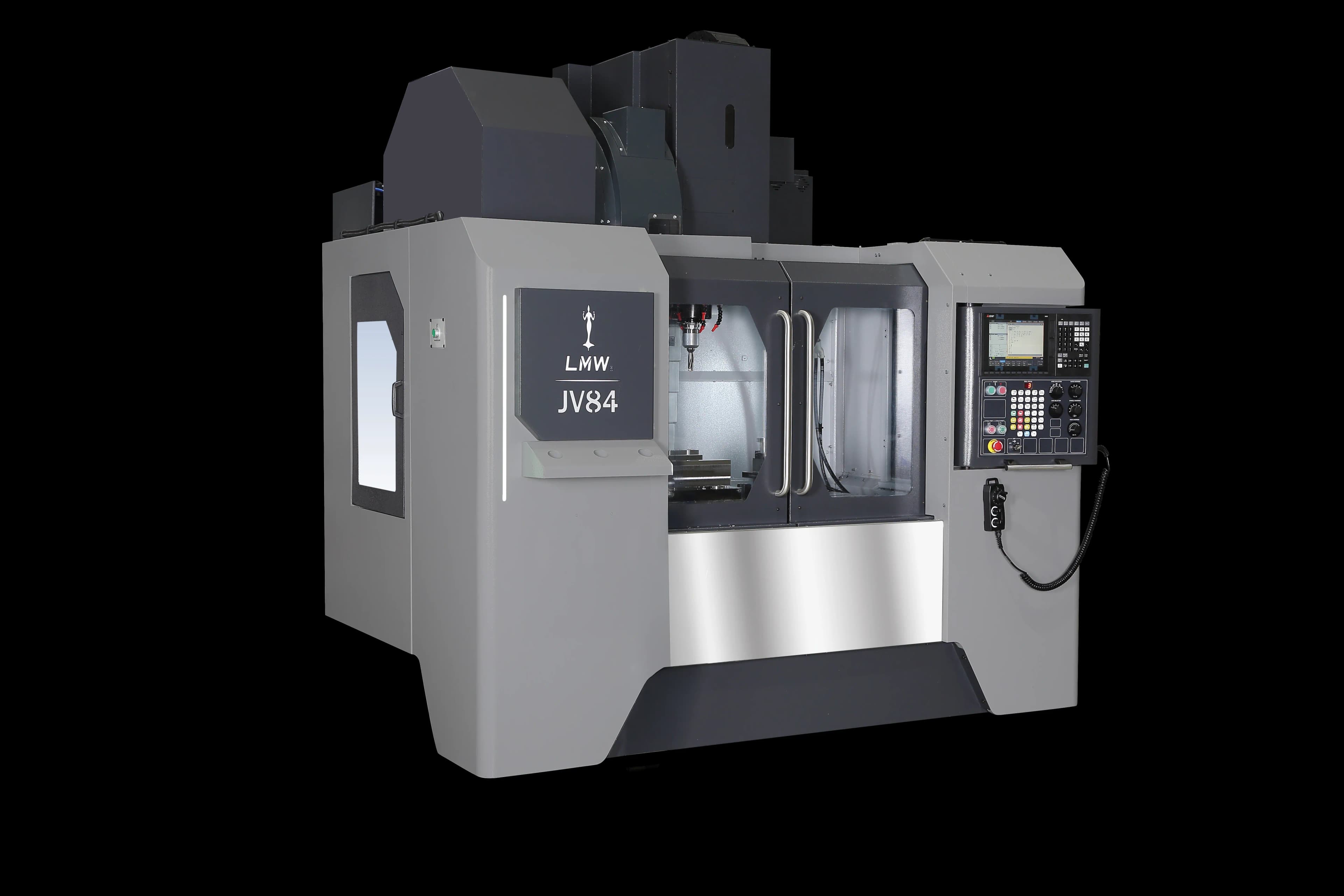
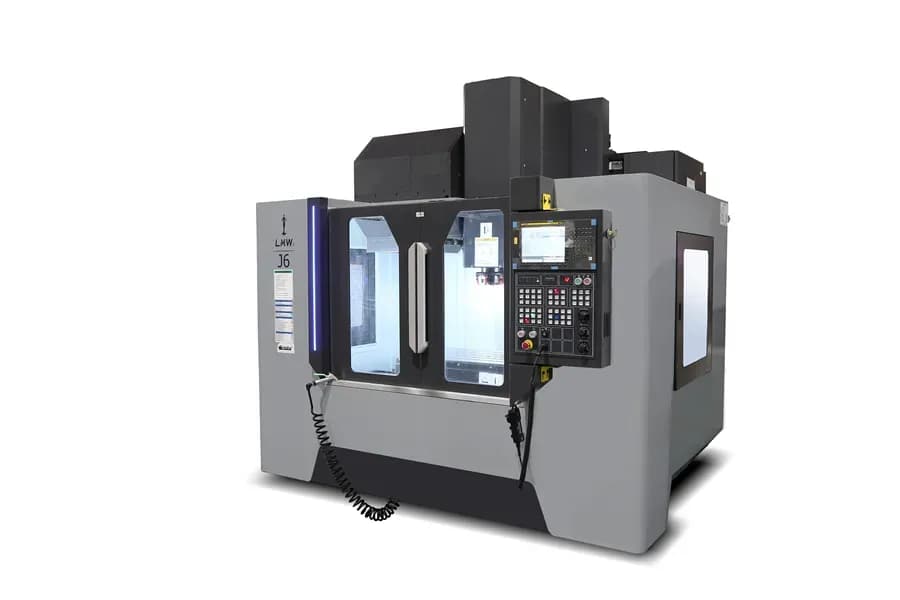
1. Machining of large flat and prismatic components 2. Accurate face milling, drilling, and tapping 3. Suitable for housings, brackets, and structural parts
1. Designed to handle heavy cuts and long machining cycles 2. Controlled vibration for better dimensional stability
Process planning support for tooling, fixturing, and cycle optimization
Future Outlook
With expansion of rail networks, metro systems, and high-speed corridors, demand for large and precision-machined railway components will continue to grow. CNC machines capable of handling heavy loads and maintaining accuracy over long cycles will be essential. LMW continues to strengthen its large turning and VMC solutions to support the evolving needs of the railway industry.
Other Industries

Aerospace

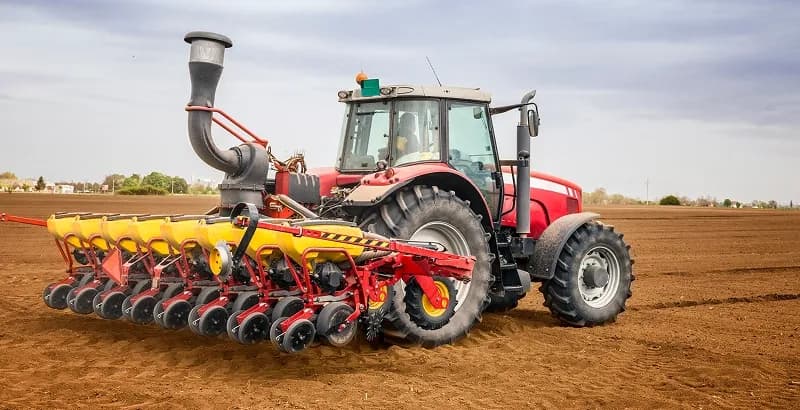
Agri & Earthmovers

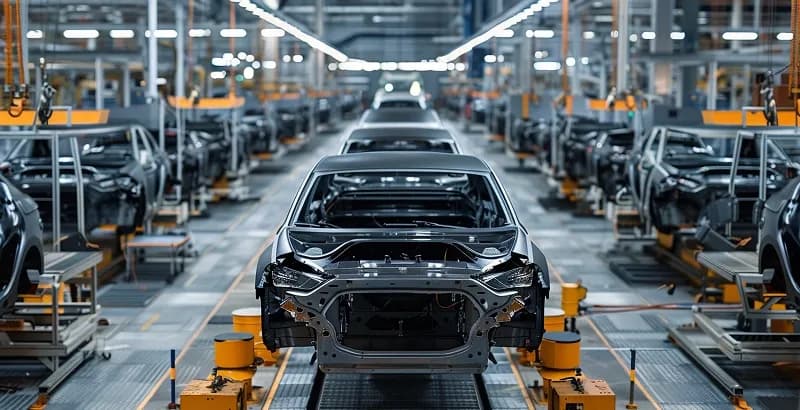
Automobile

Aerospace

Agri & Earthmovers

Automobile